Key Takeaways
- The current points-based customer loyalty model is stale, contributing to dining fatigue.
- Personalized, experience-driven rewards are the future of customer retention.
- Embrace tech that fosters genuine connection to combat the impersonal nature of modern dining.
Beyond Points: Reimagining Customer Loyalty Programs in April 2026 to Combat Dining Fatigue
Remember the days when a free coffee felt like a genuine treat? Those days are dwindling, replaced by a landscape saturated with rewards programs, each promising a slice of the pie but often delivering a stale crust. In April 2026, the restaurant industry is facing a critical juncture: customer loyalty, once a given, is now at risk of being replaced by dining fatigue. A recent study by Hospitality Insights revealed that 68% of diners feel «overwhelmed» by the sheer volume of loyalty programs they’re enrolled in, and a significant percentage of those same diners are churning. We’re in desperate need of a refresh.
The old model, built on accumulating points for discounts or freebies, is losing its luster. It’s predictable, impersonal, and easily matched by competitors. Restaurants in cities like Denver are finding themselves in a loyalty arms race that’s actually making them *less* loyal to their customer base, ironically. This article explores how restaurants can reinvent customer loyalty, moving beyond points to create truly engaging experiences that keep diners coming back for more.
The Problem with Points (and Why They’re Contributing to Dining Fatigue)
The fundamental issue isn’t the concept of rewards; it’s the execution. Generic points-based systems fail to build meaningful connections. They treat every customer the same, overlooking individual preferences and neglecting the emotional aspects of dining. «The problem isn’t the incentive, it’s the lack of personalization,» observes Anya Sharma, a restaurant consultant based in San Francisco. «Customers want to feel seen and valued, not just rewarded for spending money.»
The Rise of the «Churn and Burn» Diner
The ease with which customers can sign up for and drop loyalty programs has created a «churn and burn» mentality. Diners hop between programs, chasing the biggest discount or free item, with little attachment to the brand itself. This results in short-term gains but long-term instability. The cost of acquiring new customers continues to rise, and the lifetime value of those customers keeps shrinking.
The Data Deluge: Are You Drowning in Info?
Many restaurants are also struggling with the data generated by these programs. Collecting data is easy; interpreting it effectively is hard. Without the right tools and strategies, this data becomes a confusing mess. Are you truly leveraging that data to personalize the customer experience, or are you just adding to the digital noise? Consider the current challenges with customer data privacy regulations, too. If you’re not managing that data responsibly, you’re setting yourself up for headaches.
Reimagining Loyalty: The Power of Experience
The future of customer loyalty lies in creating experiences that resonate with diners on a deeper level. This means moving beyond generic discounts and crafting rewards that reflect individual preferences, celebrate special occasions, and foster a sense of community. It also means incorporating aspects of surprise and delight. A curated experience will always win over a free coffee.
Personalization: Know Your Customers (and What They Love)
The key to successful personalization is gathering and utilizing customer data intelligently. This is where those data sets we mentioned earlier become critical. Use the information to tailor offers, recommendations, and even the overall dining experience. Consider:
- Preferred Dishes: Offer a free appetizer to a regular customer who always orders the same entree.
- Special Occasions: Send a birthday voucher for a complimentary dessert or a personalized gift card.
- Dietary Restrictions: Make it easy for customers with dietary restrictions to order, perhaps with a pre-set menu, and offer exclusive rewards to thank them.
The goal is to move beyond the transactional and create a feeling of familiarity and care, like they’re part of a secret club.
Experiences, Not Just Extras: The Magic of «Moments»
Think beyond free drinks and desserts. Offer unique experiences that can’t be replicated by your competitors. For example:
- Chef’s Table Events: Invite loyal customers to exclusive tasting events with the head chef.
- Behind-the-Scenes Tours: Offer a peek into the kitchen or the sourcing process.
- Collaborations: Partner with local businesses for cross-promotional events and experiences.
These experiences generate word-of-mouth marketing, deepen customer relationships, and create a strong emotional connection to your brand. They’re also memorable, far more so than a free slice of pie.
Gamification: Making Loyalty Fun
Gamification adds an element of fun and engagement to your loyalty program. Use leaderboards, badges, and challenges to incentivize customer behavior. For example:
- «Refer a Friend» Challenges: Reward customers for bringing in new diners.
- «Try Something New» Badges: Encourage customers to explore different menu items.
- «Weekly Trivia» Competitions: Host weekly trivia nights with prizes.
Gamification appeals to the competitive spirit and makes the program more interactive, encouraging customers to spend more time, and hopefully, more money at your establishment.
Technology as a Catalyst for Connection
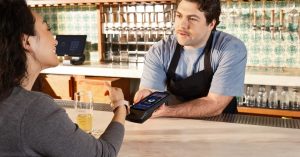
Technology plays a critical role in facilitating these new loyalty strategies. But it’s not about over-automation. It’s about using technology to create genuine connection. Embrace tech that makes your restaurant friendlier and more personable, not more cold.
Mobile Apps: The New «Front Door»
Mobile apps are no longer a luxury, but a necessity. They offer a direct line of communication with your customers and a platform to deliver personalized offers, announce events, and collect feedback. Make sure your app is user-friendly and offers valuable features, like online ordering, reservation management, and easy access to loyalty rewards. Consider the digital menu experience, too. Is your app just another source of scrolling fatigue, or a delight to browse?
Data Analytics: Get to Know the Real You
Invest in data analytics tools that help you understand customer behavior. Track what your customers order, how often they visit, and what they say about your business. Use this data to refine your loyalty program, tailor your marketing efforts, and improve the overall customer experience. But remember, don’t let this turn into a data obsession. Stay human.
The Human Touch: Never Forget the Personal
«Technology is a tool; it should never replace the human element of hospitality. Train your staff to interact with loyalty program members, remember their names, and anticipate their needs. This creates a sense of belonging and elevates the dining experience.» — Chef Jean-Pierre Dubois, restaurateur, formerly of Le Bernardin, New York.
Ultimately, a successful customer loyalty program is built on genuine connection. Digital tools can enhance the experience, but they should never replace the human touch. Encourage your staff to build relationships with customers, remember their names, and go the extra mile to make them feel valued. This is what truly drives long-term customer loyalty.
Speaking of Customer Connection…
Shifty helps restaurant teams connect with each other, too! Using easy-to-use shift scheduling and communication tools, your team is always in sync. Reduce no-shows, improve internal comms, and keep morale high. Free trial available.
Adapting to a Changing Landscape
The restaurant industry is in a constant state of flux. To stay ahead of the curve, you must be prepared to adapt and evolve your customer loyalty program. This includes:
- Staying Agile: Regularly evaluate your program and make adjustments based on customer feedback and market trends.
- Embracing Innovation: Experiment with new technologies and loyalty strategies. Consider dynamic pricing as a possible element of your program.
- Prioritizing Transparency: Be open and honest with your customers about your data practices and reward structures.
- Considering Sustainability: Integrate sustainable practices into your program.
The future of customer loyalty is about building relationships, creating memorable experiences, and adapting to the evolving needs of your customers. By embracing these strategies, you can combat dining fatigue and cultivate a loyal customer base that will keep your restaurant thriving for years to come.
Frequently Asked Questions
How can I measure the success of my new loyalty program?
Track metrics like customer retention rates, average spend per customer, frequency of visits, and customer satisfaction scores. Also, pay attention to word-of-mouth marketing and social media engagement.
How do I get buy-in from my staff for the new loyalty program?
Involve your staff in the planning process, provide training on the program, and offer incentives for them to engage with customers. Explain how the program benefits them (more tips, a more enjoyable workplace) as well.
What are some low-cost ways to implement personalized rewards?
Use customer data to tailor your welcome messages, anniversary greetings, or offer a simple discount on their favorite dish. These gestures can go a long way.
The shift from points-based systems to experience-driven loyalty programs represents a crucial evolution for restaurants. It’s about more than just transactions; it’s about forging meaningful connections. In April 2026, those restaurants that embrace personalization, leverage technology to enhance the human touch, and prioritize experience will not only survive the dining fatigue, but thrive in the competitive landscape.