
Key Takeaways
- Tip fatigue is real and impacting customer behavior; prepare for pushback.
- Transparency and clear pricing are crucial – consider service charges over mandatory gratuity.
- Invest in staff training to maintain service quality and justify pricing shifts.
The average tip in San Francisco dropped from 20% to 15% in Q1 2026, even at restaurants with stellar Yelp reviews. Sound the alarm? Maybe. But more likely, it’s just the sound of tip fatigue settling in.
We’re living through a tipping revolution, and it’s not the one the industry predicted. Instead of a smooth transition to higher wages funded by generous gratuities, we’re seeing customer burnout. After navigating inflation, aggressive marketing tactics, and a barrage of digital tipping prompts, diners are reaching their limit. This isn’t just about feeling nickel-and-dimed. It’s about a fundamental shift in how people perceive value and interact with service staff. As we head into May 2026, smart HORECA managers need to be prepared to navigate this treacherous landscape.
The Tipping Tightrope: Why Diners Are Saying «No More»
The initial post-pandemic surge in generosity, fueled by a desire to support struggling hospitality workers, is over. Now, a cocktail of factors is contributing to the decline: sticker shock from rising menu prices, the proliferation of digital tipping screens at every counter (even for a takeout coffee), and a general sense of unease about whether tips are actually reaching the intended recipients. These issues are exacerbated by recent discussions of a broken supply chain, and how those costs will be inevitably passed down to the customer.
Consider the case of «The Golden Spoon,» a popular brunch spot in Chicago. They implemented a 20% gratuity on tables of six or more. Initially, it seemed like a good solution for consistent income for their servers. However, complaints started pouring in. Customers felt they were being forced to tip, regardless of service quality. Some even started calculating the tip *before* the meal, then leaving cash to avoid the perceived «tax.» Others openly walked out. The Golden Spoon’s owner, Sarah Chen, admitted, “We lost a few regulars. People didn’t like feeling ‘held hostage’ by the tip. The whole thing backfired.» This is an example of what can happen if you don’t consider the legal implications of gratuity and how it is applied.
The Psychology of the Prompt
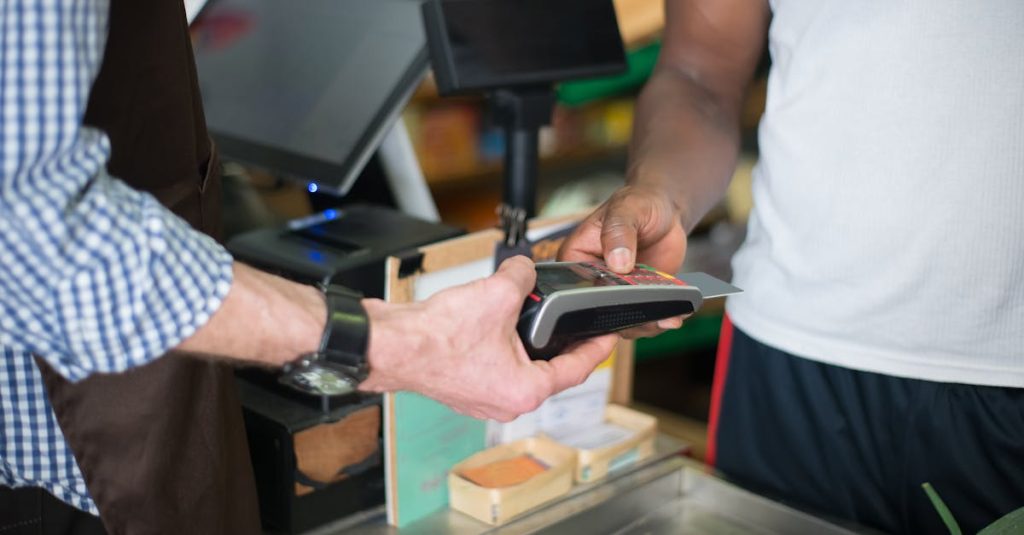
The digital tipping prompt, while convenient for businesses, has become a major source of customer frustration. The seemingly endless options («15%?», «20%?», «Custom?») create choice fatigue and pressure. Even worse is the ‘default’ setting on many POS systems. If the default is higher than 15%, many customers will simply choose the lowest percentage, no matter how good the service. The constant reminder of the «suggested tip» also makes customers question the base price of the meal, making them feel as if they are being squeezed.
One restaurant, «Burger Bliss» in Austin, Texas, addressed this by removing all tipping options and raising prices 15%. This allowed for predictable labor costs and clear pricing. Interestingly, some customers, accustomed to a higher tip, now tip *more*. Others still refuse to tip. In this situation, the overall change in total customer spend was negligible; however, this is dependent on staff training, which must be considered.
Beyond Tipping: Exploring Alternatives
So, what’s a HORECA operator to do? The key is transparency and a willingness to adapt. Here are a few strategies gaining traction:
1. Service Charges: The New (Old) Standard
Service charges, unlike mandatory gratuities, can be positioned as a way to cover operational costs and ensure fair wages for all staff. This can include kitchen staff, bussers, and even administrative roles, which the customer can see as a worthwhile cause.
Here’s a comparison of the approaches (hypothetical, of course):
| Strategy | Pros | Cons | Implementation |
|---|---|---|---|
| Traditional Tipping | Familiar, flexible for customers and some servers | Inconsistent income, potential for bias, susceptible to tip fatigue | Train staff to offer great service, make sure tips are distributed fairly. |
| Mandatory Gratuity (e.g. 20% for groups) | Guaranteed revenue, simplifies payroll | Customer resistance, perception of «forced» tipping, potential for service decline | Clear signage, explanation on the menu, communicate the benefits to staff. |
| Service Charge (e.g. 5-10%) | More transparent, covers operational costs, may improve staff morale (if distributed fairly) | Customers may question the price increase, requires clear messaging | Menu updates, staff training to explain the charge, consider a «service included» model. |
Make sure you understand the local laws for service charges and how they affect your legal obligations before implementing a new policy.
2. The «All-Inclusive» Pricing Model
This approach simplifies everything: the menu prices reflect all costs, including wages and benefits. No tipping, no service charges. The challenge is ensuring the menu pricing doesn’t appear inflated. This might require aggressive menu engineering and careful explanation to customers.
3. Hybrid Approaches
Consider a hybrid model. For instance, a base price increase coupled with a *small*, optional tip line. This acknowledges the customer’s agency while acknowledging the increased cost of running the business. Or, consider eliminating tipping entirely but providing a small, monthly bonus to staff, contingent on customer reviews or feedback.
The Staff Factor: Training and Communication
Regardless of the approach, the success hinges on your staff. They must understand the new pricing structure and be equipped to explain it clearly and confidently to customers. This means investing in training: role-playing scenarios, addressing customer concerns, and emphasizing the value proposition of your restaurant. Your staff is the best way to combat customer loyalty fatigue.
“The most important thing is to make your staff part of the solution. They need to understand the ‘why’ behind the changes, and they need to be empowered to handle customer concerns with grace and professionalism.” — Maya Ramirez, Restaurant Consultant, Seattle, WA
Make sure to train your staff to deal with complaints. Arm them with scripts, and ensure that they can direct customer concerns. They will be on the front lines, and their response will determine how the customer takes the changes.
Speaking of Staffing
Shifty simplifies the process of communicating policy changes and the impacts on scheduling. Automate staff communication so that all staff are informed, no matter the change.
Long-Term Strategies: Building Value Beyond Price
Beyond pricing adjustments, focus on building long-term value. This includes:
1. High-Quality Service
This sounds obvious, but it’s more crucial than ever. Train your staff on the little things: anticipating needs, personalizing recommendations, and resolving complaints swiftly and effectively. Remember that «quiet quitting» can be a factor, so consider micro-coaching.
2. Transparency in Sourcing and Ingredients
Customers are increasingly interested in where their food comes from. Highlight local sourcing, ethical practices, and sustainability efforts. This differentiates your restaurant from the competition and adds value beyond the price tag.
3. Adaptability and Innovation
The industry is constantly evolving. Embrace new technologies (online ordering, table-side payments, digital menu boards) but always prioritize the human touch. Be prepared to change your approach as customer preferences shift. Think about your anti-brunch strategy for weekend traffic. Your ability to adapt and be responsive will determine your ability to grow.
Frequently Asked Questions
Will customers be upset about service charges?
Potentially. Clear communication, transparency about how the charge is used, and excellent service are key to mitigating negative reactions. Be prepared to explain the rationale.
How do I ensure the service charge benefits the staff?
Be transparent about how the charge is distributed. Consider sharing the revenue allocation with your staff and perhaps even creating a system where staff can provide input on how the funds are used (e.g. benefits, training, etc.).
Should I just keep tipping?
It depends on your business. If it’s working, then consider keeping it; however, the data suggests that in some locations, it will soon become untenable. Consider all options.
What about takeout or delivery?
Even if you are utilizing ghost kitchens and have delivery staff, you can consider service charges to cover additional costs, such as the increased cost of packaging. Be transparent about this to your customer base.
The tipping landscape is shifting. It’s no longer enough to simply take a «wait and see» approach. Restaurants that proactively address tip fatigue with a combination of strategic pricing, transparent communication, and a relentless focus on service excellence will be the ones that thrive in the months to come.