
Key Takeaways
- May is the month to leverage community events for targeted hyperlocal marketing, boosting both foot traffic and brand loyalty.
- Actively participating and sponsoring local events builds genuine relationships with your community, translating into long-term customer value beyond simple transactions.
- Strategic planning, data analysis, and embracing digital tools are crucial for maximizing the impact of your event involvement.
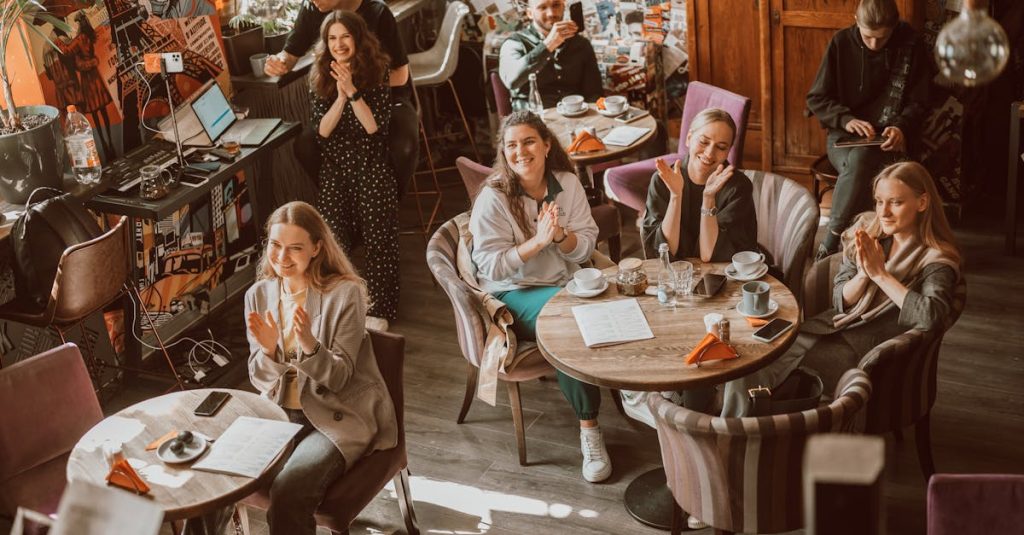
Picture this: It’s a sunny Saturday afternoon in May 2026. The aroma of freshly brewed coffee mingles with the buzz of the annual «May Day in Madison» festival. But it’s not just the sweet scent of caffeine that’s in the air; it’s the competitive hum of the local hospitality scene. Restaurants and cafes are vying for attention, trying to capture the energy of the crowds, and, crucially, their dollars.
Forget the generic online ads and the endless stream of targeted campaigns. This is the era of hyperlocal marketing, and May is the prime season. This isn’t just about putting up a sandwich board outside; it’s about deeply embedding your business within the fabric of your community. Are you ready?
The Event Explosion: Why May Matters
May is a goldmine for events. From school fairs and farmers’ markets to neighborhood block parties and music festivals, there’s a gathering practically every weekend. But it’s not just about the volume; it’s the *quality* of the connection. Participating in these events allows you to:
- Reach Your Target Audience Directly: No more guessing. You know who you’re aiming for. Families at the park? Foodies at the street fair? Tailor your offerings to match.
- Build Brand Loyalty: A positive experience in a community setting is more memorable than any online ad. It fosters a sense of belonging and strengthens customer relationships.
- Boost Foot Traffic (and Revenue): Obvious, but worth emphasizing. Direct interaction with potential customers translates to immediate sales, and the ripple effect of word-of-mouth is invaluable.
Let’s look at the numbers. A recent survey by the National Restaurant Association revealed that restaurants actively involved in local events saw a 15% increase in foot traffic during event weekends, and a 8% rise in repeat customer visits in the following month. However, a significant percentage of those same restaurants reported challenges with staffing during those crucial events, a situation exacerbated by the persistent summer staffing squeeze expected to hit hard.
From Participation to Partnership
What does it mean to be a «player» in the community event game? Consider these scenarios:
- Sponsorships: Partner with the organizers. For example, the owner of “The Daily Grind” in Austin, Texas, sponsors the annual «Barton Creek Green Fair» by providing coffee and pastries. The branding is subtle, but the community sees the business as an ally, which builds stronger relationships than any traditional ad campaign.
- Pop-up Shops: Set up a small booth at a local market or festival to showcase your menu. «Mama Mia’s» pizza in Chicago, Illinois, saw a 20% spike in sales after its first weekend at the «Taste of Lincoln Avenue» festival, primarily driven by impulse purchases and sampling opportunities.
- Exclusive Offers: Offer event-specific promotions to capitalize on the heightened customer interest. Think: a «May Day Brunch» menu tailored to the festival, or a discount for attendees who show a wristband.
Crafting a Winning Strategy: Beyond the Basics
Success isn’t accidental. It requires a solid plan, robust execution, and thoughtful evaluation. Here’s a breakdown:
1. Identify Your Ideal Events
Don’t spread yourself too thin. Research and select events that align with your brand, target audience, and resources. Are you a family-friendly cafe? Focus on school carnivals and park events. A trendy bistro? Target food festivals and music concerts.
2. Data-Driven Decisions
In today’s market, you can’t rely on gut feelings. Track the event demographics, audience size, and performance of similar businesses at past events.
Here’s a sample comparison chart:
| Event | Target Audience | Estimated Attendance | Relevant Previous Event Performance (Similar Business) | Notes |
|---|---|---|---|---|
| «Madison May Day Fair» | Families, Local Residents | 5,000+ | “The Daily Grind” (Coffee): 10% Increase in Revenue, 150 New Email Sign-ups | High potential for repeat customers. |
| «City Beats Festival» | Young Professionals, Music Lovers | 2,000+ | «Mama Mia’s» (Pizza): 20% Increase in Revenue, Great for Brand Awareness | Requires extended service hours; Potential for late-night sales. |
3. Digital Integration
Leverage social media to promote your participation. Create compelling content that teases your event presence and encourages attendance. And above all, avoid the pitfalls of customer data fatigue. Capture email addresses and build your customer database carefully, ensuring you comply with the latest GDPR regulations, as covered in «The GDPR Sunset — Is Your Cafe Ready for the Great Data Purge?».
Pro Tip: Utilize geo-fencing tools to target local customers with location-based ads during the event. This will amplify your presence and drive direct foot traffic.
4. Staffing and Logistics
Planning for event staffing is critical. Factor in additional staff, extended hours, and the need for efficient service to manage increased volume. As we discussed previously, the potential for unspoken costs related to staffing means you must plan well in advance to avoid profit loss.
Consider:
- Scheduling: Overlap shifts to manage peak hours.
- Training: Train your staff on the event specifics (menu, promotional offers, etc.).
- Logistics: Ensure you have the equipment, supplies, and sufficient inventory for event-specific needs.
Also, don’t be afraid to outsource. Partner with local food trucks or catering services to handle additional volume and menu items.
«In the current environment of tight labor markets and rising costs, effective event management means having the right staff in the right place at the right time. A well-designed scheduling tool that handles shift swapping and last-minute changes is essential for maximizing both service quality and employee satisfaction.» — Amelia Chen, Restaurant Operations Consultant
Speaking of Scheduling…
Streamline event staffing by using a scheduling app. Say goodbye to spreadsheet chaos and hello to organized shifts. Easily create and manage schedules, communicate with your staff, and reduce no-shows. Free trial available.
The Competitive Landscape: What’s Changing
The hospitality landscape is always evolving. Consider these trends:
- Ghost Kitchens’ Event Participation: The rise of ghost kitchens and virtual brands poses a new competitive challenge. These businesses are starting to partner with event organizers and set up pop-up kitchens, so restaurants need to adapt by offering unique, event-specific experiences and products.
- Customer Loyalty Fatigue: While event participation builds loyalty, it’s not a silver bullet. You still need to retain those new customers. Ensure you offer special deals and follow-up promotions. Check out strategies for that in our piece on customer loyalty fatigue.
- Supply Chain Issues: Be prepared for potential supply chain disruptions. In some areas, ghost kitchens are becoming major players in the supply chain, and it’s essential to understand the changing cost dynamics and plan accordingly.
The Payoff: Building a Sustainable Future
Mastering the hyperlocal events game is more than a seasonal marketing tactic; it’s a long-term strategy. By actively engaging with your community, you are building a loyal customer base and creating a brand that resonates far beyond the transactional. It’s about genuine connection, community involvement, and ultimately, building a thriving, sustainable business.
Frequently Asked Questions
How do I measure the ROI of community event participation?
Track metrics such as foot traffic increase, sales during the event, new customer sign-ups, and social media engagement. Compare these figures to a baseline period before the event to quantify the impact.
What are some unique event promotion ideas?
Host a food-tasting contest, partner with local influencers, create a themed menu inspired by the event, or offer a «buy one, get one» deal for event attendees.
How can I make sure my event presence is compliant?
Check local regulations regarding permits, food safety, and alcohol service. Have the right licenses and insurance. Review your customer data handling practices to comply with GDPR or any other applicable data privacy laws as mentioned in «The GDPR Sunset — Is Your Cafe Ready for the Great Data Purge?»
How do I choose the best events for my restaurant?
Evaluate events based on your target audience, business goals, and resources. Consider the event’s popularity, foot traffic, and potential for generating sales and building brand awareness. Don’t be afraid to start small and experiment before committing to larger events.
So, as May 2026 unfolds, will you be a spectator or a participant? The choice is yours. Embrace the community, and watch your business thrive.