Key Takeaways
- Ghost kitchens and hyperlocal brands are forcing restaurants to specialize or risk irrelevance.
- Leveraging data and embracing delivery apps are crucial, but avoid over-reliance.
- Authenticity, employee investment, and innovative menu development are key differentiators.
The year is 2026. You’re a restaurant owner in Chicago, and you’re staring down another Tuesday. Your lunch crowd is… well, it’s not *there*. Your once-reliable regulars are ordering in, and they’re not just getting the usual. They’re tapping into a new world of food experiences – hyperlocal, specialized, and often, born in a humble ghost kitchen. According to a recent report by Restaurant Business, the market share held by these specialized, delivery-only brands has exploded, growing by a staggering 48% in the last year alone. Your classic Italian place? Suddenly, it feels… generic.
The Rise of the Specialized Hydra
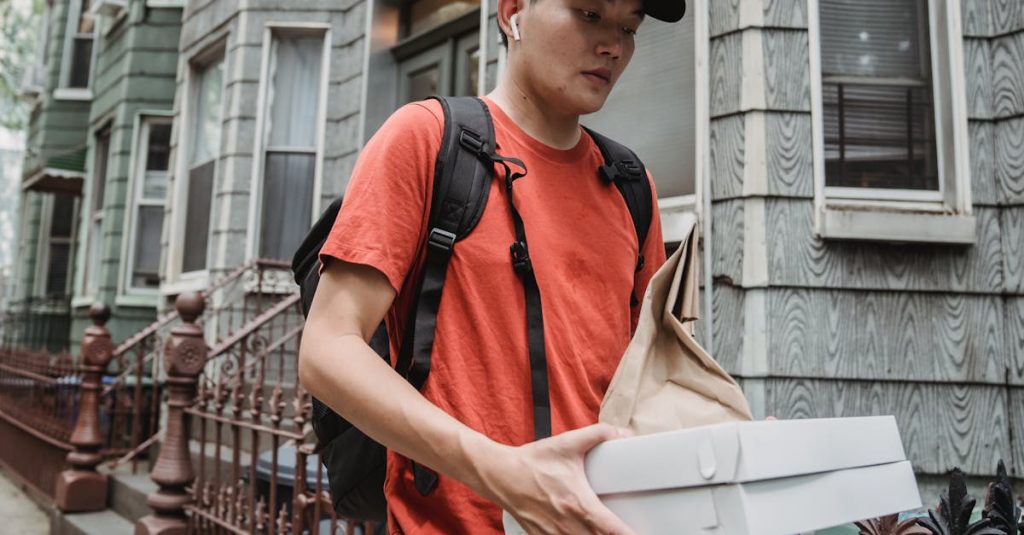
The «ghost kitchen» phenomenon, once a novelty, has become a core element of the 2026 restaurant competition landscape. But it’s not just about the kitchens themselves; it’s the *brands* they spawn. Consider «Pizza Al Volo» in Seattle, a ghost kitchen specializing solely in Neapolitan-style pizzas, using imported ingredients and a single, meticulously perfected dough recipe. Or «Ramen Revolution» in Austin, which offers only three ramen variations but boasts unparalleled ingredient sourcing and a near-fanatical customer base. These aren’t just restaurants; they’re food experiences, and they’re winning. This hyper-specialization is a direct response to the dining public’s evolving preferences. Customers now actively search for specific cuisines, ingredients, or experiences. They value novelty, and they love the convenience of delivery apps.
The Hyperlocal Advantage
The trend towards hyperlocal has amplified this shift. «Locally sourced,» «seasonal ingredients,» and «chef-driven» are no longer buzzwords; they’re table stakes. But the ghost kitchens and the smart physical restaurants are taking it further. They’re building their brands around a specific neighborhood, even a specific street. They’re crafting menus that reflect local tastes and sourcing ingredients from within a limited radius. They are creating their own customer data, often in ways that outmaneuver the large delivery apps who also want your customer information.
“The key is to define your niche and own it. Don’t try to be everything to everyone. Be the best damn [insert niche here] in your city.” – Chef Antoine Dubois, Founder of “Le Petit Crêpe” (ghost kitchen, Paris).
Data, Delivery, and the Double-Edged Sword
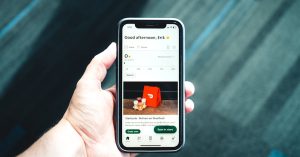
Data analytics are absolutely essential in this environment. Restaurants are using data to understand customer preferences, refine menus, and tailor marketing efforts. The smartest players leverage delivery app data (though they’re also actively figuring out how to own their data, as highlighted in «April 2026: Anonymize or Abandon? Why Customer Data Privacy Compliance Is Now a Make-or-Break for Your Cafe») to identify trending ingredients, pinpoint popular dishes, and optimize delivery zones. But over-reliance on delivery apps can be a trap. Remember, the apps take a cut, and they control the customer relationship. The real winners will be those who master the apps *and* cultivate direct relationships with their clientele.
Building Beyond the Apps
While delivery apps are indispensable, it’s dangerous to cede control entirely. Prioritize direct online ordering through your own website or app. Collect customer data ethically (ensuring compliance with rapidly evolving privacy regulations, as discussed in «April 2026: Anonymize or Abandon? Why Customer Data Privacy Compliance Is Now a Make-or-Break for Your Cafe«). Build a robust email list. Offer exclusive promotions to your direct customers. Invest in a strong social media presence. And maybe most importantly, make sure your staff is ready for the «April 2026: Saturday Brunch Is Exploding: Are You Ready for the April 2026 Weekend Rush?»
Speaking of staffing…
Managing a team in the face of these market changes is tough. Streamline your scheduling, handle employee availability requests, and make sure everyone is informed with Shifty. Free trial available.
The Human Touch: Authenticity, Staff, and Menu Magic
In this digital-driven world, authenticity becomes an even more powerful differentiator. Customers crave genuine experiences and a connection to the people behind the food. Don’t underestimate the power of a compelling brand story. What’s your unique selling proposition? What makes your restaurant special? Tell that story in your marketing, in your menu descriptions, and in your interactions with customers.
Invest in Your People
Happy employees equal happy customers. Invest in your staff. Pay competitive wages. Offer opportunities for training and development. Create a positive work environment. A well-trained, engaged staff will be your greatest asset, especially when you are up against small businesses and single-brand ghost kitchens. Consider how your labor costs will affect your performance in the face of “Spring Break Staffing Backlash: Why Your Usual Strategy Might Backfire in April 2026” and other busy periods. Remember that a great team can also mitigate the challenges of labor shortages, which remain a challenge. Don’t fall for the “Spring Break Staffing Surprise: Why Your Usual Strategy Might Backfire in April 2026,” and plan ahead!
Menu Innovation
The «set it and forget it» approach to menus is dead. Your menu needs to be dynamic, responding to feedback, trends, and seasonal ingredients. Experiment with limited-time offers, collaborations with local suppliers, and themed nights. Be willing to take risks. Don’t be afraid to fail. And consider how you can capitalize on the opportunities presented by «April’s Hidden Goldmine: How to Dominate the Catered Events Boom (and Beat the Slow Season).»
Here’s a quick comparison of strategies to consider:
| Strategy | Pros | Cons |
|---|---|---|
| Specialization | Focused marketing, high brand recognition, efficient operations | Requires deep expertise, limited appeal to a broader audience |
| Hyperlocal Focus | Strong community ties, reduced supply chain costs, unique offerings | Dependence on local sourcing, potential for limited scalability |
| Delivery App Domination | Wider reach, convenient for customers, data insights | High commission fees, loss of direct customer relationships |
The Ghost Kitchens’ Revenge: What’s Next?
The «ghost kitchens’ revenge» is already underway. Specialized, hyperlocal brands are reshaping the food trends landscape, forcing traditional restaurants to adapt or fade away. This isn’t just about survival; it’s about thriving. By embracing specialization, leveraging data intelligently, investing in their teams, and cultivating authentic brand experiences, restaurants can not only survive but also flourish in this new era.
Frequently Asked Questions
How can I compete with a ghost kitchen that offers a similar cuisine?
Focus on the aspects of the customer experience that ghost kitchens can’t replicate: in-person service, ambiance, and community engagement. Also, consider specialized menu items or unique ingredients that set you apart.
Is it worth launching a ghost kitchen?
It depends on your resources and market. If you have a strong concept, limited capital, and a proven track record, a ghost kitchen can be a low-risk entry point. But remember that “Ghost Kitchen Pop-Up Strategy: Turn Your Slow Season into a Profit Powerhouse (April 2026)” and be sure to understand the operational complexities.
How do I build a loyal customer base in the age of delivery apps?
Prioritize direct ordering, create a strong email list, offer exclusive promotions, and cultivate a robust social media presence. Consider implementing a revamped customer loyalty program, as discussed in «Beyond Points: Reimagining Customer Loyalty Programs in April 2026 to Combat Dining Fatigue.»
The future of the restaurant industry belongs to those who adapt. Are you ready?