
Key Takeaways
- Unpredictable weather is the new normal, demanding proactive adaptation in restaurant strategies.
- Focus on menu flexibility and off-premise dining options to weather the storm (literally!).
- Embrace technology and data to forecast and mitigate the summer staffing squeeze and other weather-related impacts.
Mayhem in May 2026: Unseasonable Weather is Wrecking Your Sales (and How to Adapt)
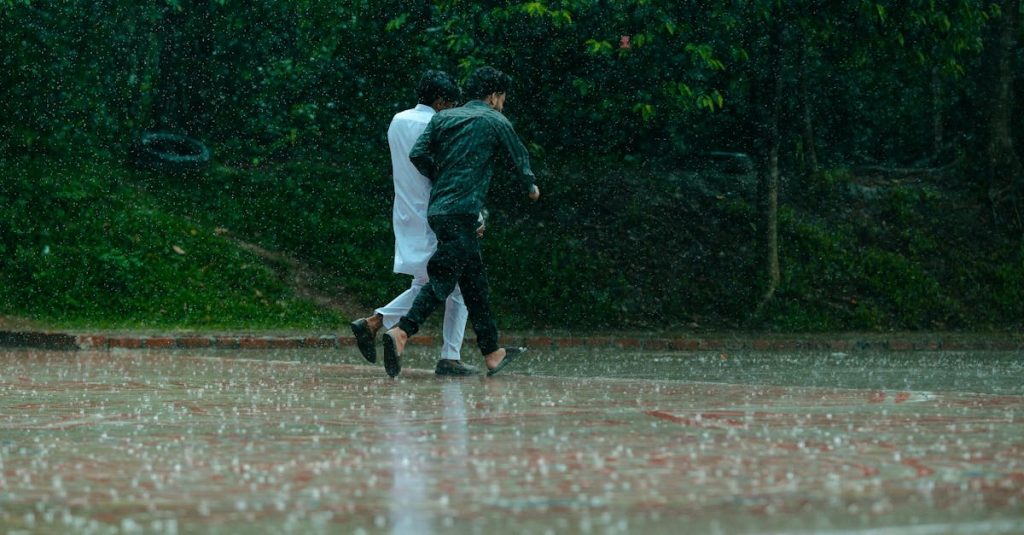
The year is 2026. Picture this: It’s the second week of May, and you’re the owner of «The Coastal Grill» in sunny Santa Monica. You’ve prepped for your busiest season, stocked up on those coveted seasonal specials, and hired extra staff, ready to capitalize on the Memorial Day rush. But instead of sunshine and beachgoers, a torrential downpour has settled in, reminiscent of a Pacific Northwest winter. Your patio, a major revenue driver, is deserted. Indoor seating is half-empty. You’re watching your brunch wars plans sink faster than a ship in a storm. And your meticulously planned seasonal sales strategy? Well, it’s looking less like a summer breeze and more like a category 5 hurricane.
This isn’t a hypothetical scenario. Unpredictable weather patterns are increasingly the norm. We’re seeing it everywhere – record-breaking heat waves in April, unseasonal snow in the Midwest, and flash floods that shut down entire city centers. The GDPR sunset is already changing the data landscape. The restaurant industry, already juggling razor-thin margins and rising costs, is now facing a new, formidable foe: Mother Nature’s erratic mood swings.
The Impact: Beyond the Obvious
The immediate weather impact on a cafe business is clear: decreased foot traffic, especially for restaurants that rely on outdoor seating. But the ripple effects are far more complex. Consider these additional consequences:
- Inventory Waste: Your «Summer Sunset Salad» featuring ripe, local tomatoes is now destined for the compost heap if the demand isn’t there. You’re stuck with perishable ingredients.
- Staffing Chaos: You’ve overstaffed for a busy weekend that never materialized, leading to wasted labor costs and frustrated employees. Conversely, a sudden rush on a sunny day leaves you understaffed and scrambling.
- Supply Chain Disruptions: Extreme weather can close roads and disrupt deliveries, leading to higher food costs and potential menu shortages, which, thanks to Ghost Kitchens’ dominance of the supply chain, can be devastating.
- Customer Behavior Shifts: Weather dictates where customers choose to eat. A cold and rainy day could mean your outdoor seating is useless, but it might boost demand for takeout and delivery.
Restaurant Strategy: Adapting to the New Normal
So, what can HORECA managers do to survive and thrive in this era of meteorological uncertainty? Here’s a proactive approach:
1. Menu Flexibility: Pivot, Don’t Panic
Your seasonal sales strategy must be adaptable. Don’t be locked into a single menu. Consider the following:
- Embrace «Weather-Responsive» Specials: Have a «rainy day» menu ready. This might include hearty soups, comfort food, or a special happy hour. On hot days, promote refreshing salads, iced drinks, and lighter fare.
- Focus on Versatility: Design dishes with ingredients that can be repurposed. For instance, if tomatoes are abundant, a tomato salad can become a tomato soup if the weather shifts.
- Offer «Build Your Own» Options: This allows customers to customize their meals, catering to a wider range of preferences and weather conditions.
2. Off-Premise Dining: The Ultimate Insurance Policy
Expand your takeout and delivery operations. This is crucial for mitigating the weather impact:
- Optimize Your Online Ordering System: Ensure your website and app are user-friendly and easy to navigate. Streamline the ordering and payment processes.
- Partner with Delivery Services: Explore partnerships with multiple delivery platforms to reach a wider customer base.
- Promote Family Meals and Bundles: Encourage larger orders with attractive pricing and meal combinations.
3. Data-Driven Forecasting: Know Before You Go
Leverage technology and data to anticipate and respond to weather changes:
- Weather Monitoring: Integrate real-time weather data into your planning. There are several weather APIs and services that can be used to predict local weather.
- Sales Forecasting: Use historical sales data, combined with weather forecasts, to predict demand and adjust staffing and inventory levels accordingly.
- Customer Behavior Analysis: Track how weather influences customer behavior. Which menu items sell best on cold, rainy days versus sunny afternoons? What delivery areas see the most demand during inclement weather?
4. Flexible Staffing Models: The Human Element
Staffing is often the first casualty of unpredictable weather. Implementing the following will help manage the summer staffing squeeze and associated costs:
- On-Demand Staffing: Utilize on-demand staffing platforms to quickly fill shifts as needed.
- Cross-Training: Train your staff on multiple roles to allow flexibility. A server can become a takeout packer during a rush, for example.
- Open Communication: Keep your staff informed about weather forecasts and expected business levels. This fosters trust and flexibility. Consider micro-coaching with your team, as this has been found to be a surprisingly effective method for boosting staff performance.
Speaking of Planning
We’ve created a platform for restaurant managers that will help make scheduling and communication less painful so you can get back to what matters. Free trial available.
The Power of Community and Events
While weather presents challenges, it can also create opportunities. Consider the local events landscape. Weather can be a catalyst for driving customers into your restaurant. In our scenario, the Coastal Grill might partner with a local brewery to host a «Stormy Weather Beer & Burger Night» indoors, or take advantage of the sunny days to promote local festivals and pop-ups.
Expert Insight:
«Embracing your community is more important now than ever. Develop relationships with local event organizers and offer special promotions during community events. This creates a loyal customer base that will support you regardless of the weather.» — Sarah Chen, Restaurant Consultant.
Example: Adapting to Change
Let’s look at a concrete example. «The Cozy Corner Cafe» in Chicago has been struggling with unpredictable weather. They’ve implemented the following:
| Challenge | Solution |
|---|---|
| Unpredictable weekend demand | Utilized data forecasting for the next few days. On sunny weekends, they were able to use hyperlocal events and promotions. |
| Inventory Waste | Developed a «Soup of the Day» program to use up excess produce. |
| Understaffing/Overstaffing | Implemented on-demand staffing, using real-time weather information to gauge demand. |
The Cozy Corner Cafe’s efforts resulted in reduced food waste, optimized labor costs, and a more resilient business model.
Frequently Asked Questions
How can I protect my outdoor dining area from unpredictable weather?
Consider investing in retractable awnings, outdoor heaters, and other weather-resistant equipment. Make sure to check the local regulations and insurance related to outdoor spaces to ensure you are covered, which is especially important given the outdoor dining legal liability.
How can I train my staff to be more flexible?
Cross-training is key. Train employees to perform multiple roles. Encourage your staff to be proactive in communicating with each other and with management to ensure a smooth operation, regardless of the challenges. Open up communication with your team.
Is there any data that helps improve sales during inclement weather?
Track sales patterns during different weather conditions. You can also analyze customer preferences based on weather, using data to inform menu choices, marketing, and staffing plans.
Conclusion: Ride the Wave
The restaurant industry is no stranger to challenges. But with the right strategy, technology, and a little creativity, you can not only survive but thrive. By understanding the weather impact, adapting your menu, and embracing off-premise dining, you can protect your profits and build a loyal customer base that will weather any storm. Embrace the unpredictability, stay flexible, and be ready to adapt – because in the world of HORECA in 2026, Mother Nature is the ultimate wildcard.