
Key Takeaways
- Embrace adaptability: Don’t just plan for *summer*; prepare for all conditions, including early season extremes.
- Invest in flexible infrastructure: Think retractable roofs, modular walls, and easily movable heating/cooling systems.
- Prioritize staff training: Equip your team to handle various weather scenarios and manage customer expectations.
The year is 2026. Picture this: It’s May, and a balmy 78 degrees in Chicago. The patio at «The Green Bean Cafe» is packed, buzzing with lunch diners soaking up the sun. Suddenly, the sky turns an ominous shade of gray. Within minutes, a torrential downpour descends, sending patrons scrambling and the cafe’s meticulously planned outdoor service into chaos. This isn’t an isolated incident; it’s a stark reminder that in a world of increasingly unpredictable weather patterns, the old rules of outdoor dining simply don’t apply.
The New Normal: Weather Uncertainty and its Impact
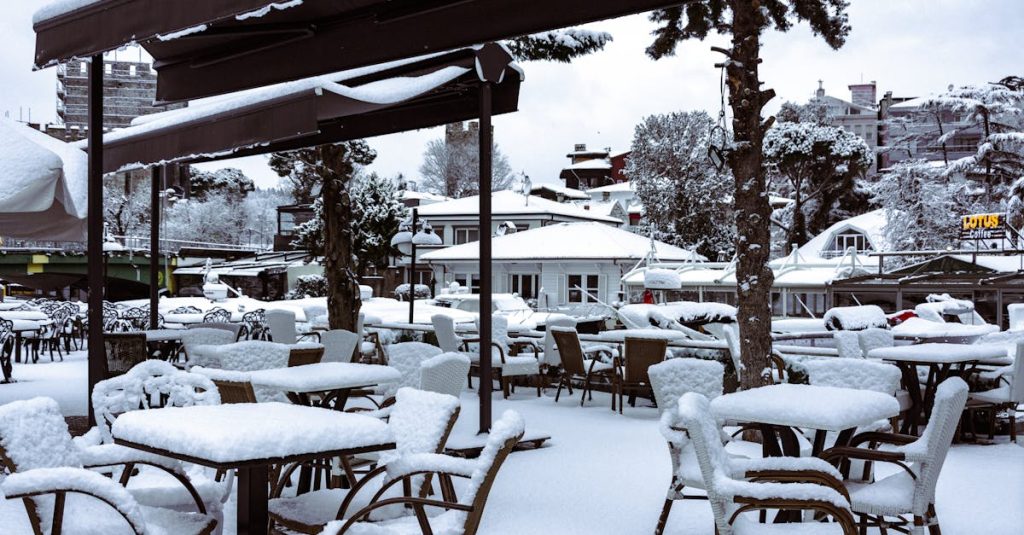
Gone are the days when you could reliably bank on a predictable summer. From flash floods in Miami to unexpected blizzards in Denver, extreme weather events are becoming more frequent and intense. According to the National Oceanic and Atmospheric Administration (NOAA), the number of billion-dollar weather disasters has increased dramatically in the last decade. This volatility directly impacts the restaurant industry, especially concerning outdoor dining. The casual summer patio vibe is still a huge draw. But the weather’s wild card makes your outdoor space more of a risk than a reliable source of revenue. If you didn’t heed the early warnings and plan in advance, you probably found yourself struggling to survive the economic downturn. As we discussed previously, unseasonal weather wreaks havoc on your sales – whether that’s due to flooding your space, scaring away customers or forcing you to change your staff’s availability.
Adapting to a Shifting Landscape
The key to success isn’t just surviving these unpredictable moments; it’s about thriving in them. And the key is flexibility. You can’t control the weather, but you can control how you respond to it. This means moving beyond the basic umbrella and embracing solutions that can handle everything from a sudden downpour to a heatwave.
Infrastructure Investment: Weather-Proofing Your Patio
Investing in your outdoor space is no longer a luxury; it’s a necessity. Think strategically. Consider these key elements:
Retractable Roofs and Awnings
These provide immediate protection from rain or harsh sun. They also significantly extend the usable season, allowing you to offer outdoor dining in spring and fall. But don’t just opt for the cheapest option; look at the durability, wind resistance, and ease of operation. Consider options that are automated and responsive to changing conditions.
Modular Walls and Windbreaks
These create flexible barriers against wind and provide a sense of enclosure, making the space more comfortable. They can also be used to create private dining areas, increasing the appeal of your patio.
Heating and Cooling Systems
Extend the comfort of your patio by investing in heating systems for cooler evenings and cooling systems for those scorching summer days. Think strategically – portable units allow you to adapt to localized climate swings. Ensure these systems are energy-efficient to keep your operational costs in check.
A Case Study in Adaptation: «The Coastal Crab»
Let’s look at «The Coastal Crab,» a seafood restaurant in Charleston, South Carolina. Faced with increasing hurricane threats and unpredictable storms, they invested in a retractable roof system, flexible windbreaks, and a series of portable heaters and fans. They saw a 20% increase in outdoor dining revenue even during traditionally slow months. They even marketed their space as a «weather-proof patio» – a clear message to guests.
Staff Training and Preparedness: The Human Element
Your infrastructure is only as good as the team that supports it. Your staff needs to be trained and prepared to handle a range of weather-related challenges.
Emergency Protocols
Develop clear protocols for weather emergencies. Train staff on how to quickly and safely move patrons indoors, secure outdoor furniture, and deal with unexpected disruptions. This is crucial for customer safety and brand reputation. Conduct regular drills to ensure everyone understands their role.
Customer Service in Extreme Conditions
Train your staff to manage customer expectations during weather-related disruptions. Offer alternative seating options, provide complimentary items (like blankets or bottled water), and remain flexible with reservations. A little empathy can go a long way in turning a potentially negative experience into a positive one. This will keep your patrons coming back.
Flexible Scheduling and Communication
Consider using a tool like Shifty (see below) to easily manage and communicate weather-related staffing adjustments. A team that’s overscheduled on a rainy day is just as bad as a team understaffed during a sunny lunch rush. Have clear communication channels with staff and guests to give everyone a heads up when you’ll be closing your patio.
Menu and Service Adjustments
Your menu needs to be as adaptable as your infrastructure and your staff.
Weather-Responsive Menu
During a heatwave, offer refreshing options like chilled soups, salads, and lighter dishes. On cooler days, feature hearty comfort foods and warm beverages. Communicate these changes on your menu and social media. You may also want to prepare for a surge in demand with your summer specials, which could potentially tank your profits if you’re not careful.
Service Speed and Efficiency
Streamline your service during peak hours or during weather-related rushes. Consider offering a «grab-and-go» menu option, pre-batching drinks, and investing in point-of-sale technology that speeds up order processing. Fast, efficient service is especially crucial when customers are exposed to the elements or the patio is only partially operational.
«The best restaurants are the ones that anticipate, not react. They don’t just have plans; they have contingency plans for every possible scenario.» — Chef Anya Petrova, Culinary Consultant
Speaking of Scheduling
Weather-related staffing adjustments can be a headache, but tools like Shifty make it easy to manage your team’s availability and communicate changes quickly. Free trial available.
Embrace the Community: The Power of Adaptability
Adaptability isn’t just about structural or operational changes; it’s about connecting with your community. Consider:
Partnering with Local Businesses
Collaborate with local event organizers to host outdoor dining events, and be ready to move them inside if the weather dictates. Make sure you’re aware of all the opportunities to capitalize on community festivities to drive sales.
Leveraging Social Media
Use social media to keep your customers informed. Post updates on weather conditions, operating hours, and any special offerings. Engage with your followers and respond promptly to their inquiries. Consider running contests or promotions to drive foot traffic on less-than-ideal weather days.
By prioritizing a clear-cut approach to your business model, you’ll be well-prepared to make changes to your offerings on a moment’s notice.
Comparing Weather-Proofing Strategies
Here’s a quick comparison of different weather-proofing strategies and their impact:
| Strategy | Cost | Benefits | Drawbacks |
|---|---|---|---|
| Retractable Roof | High | Maximum protection, extended season | Significant initial investment |
| Modular Walls | Medium | Flexibility, wind protection, privacy | Can be labor-intensive to set up/take down |
| Portable Heating/Cooling | Low | Targeted climate control | Limited coverage, ongoing operational costs |
| Staff Training | Low | Improved customer experience, safety | Requires consistent training and reinforcement |
Frequently Asked Questions
How do I choose the right weather-proofing solutions for my restaurant?
Consider your location’s climate, budget, and the size of your patio. Prioritize solutions that offer maximum flexibility and ease of use.
How can I train my staff to handle unpredictable weather?
Develop clear emergency protocols, conduct regular drills, and emphasize customer service. Provide ongoing training on how to manage customer expectations and adapt to changing conditions.
How does weather impact staffing requirements?
You may need to adjust your staff’s availability based on weather forecasts, with a focus on flexibility and adaptability. If the weather is uncooperative, you might be forced to cut hours, or rearrange shifts. This is an area where the often overlooked costs of seasonal staffing can become very apparent.
How can I make my outdoor space more appealing in cooler weather?
Invest in outdoor heaters, offer cozy seating, create a warm and inviting ambiance with lighting, and serve hot beverages and comfort foods.
In the evolving landscape of outdoor dining, the ability to adapt to changing conditions will be your most valuable asset. Those who embrace flexibility, invest strategically, and prioritize staff training will not just survive the unpredictable weather – they will thrive, building loyal customer bases and securing a competitive edge in an increasingly volatile market. Remember to be flexible and creative. Outdoor dining is still a winning proposition if you are prepared to meet the moment.