Your June utility bill just landed, and that AC and refrigeration really hit different, right? For a small cafe or restaurant, those two powerhouses are often the biggest drivers of your cafe energy costs, especially when summer temperatures soar. You’re not alone if you’re wondering exactly how much they’re draining your wallet.
The truth is, AC and refrigeration can easily account for 30-50% of your total energy consumption in peak summer months. We’re talking hundreds, sometimes even thousands, of extra dollars on your june 2026 operational costs. Good news: there are practical, immediate steps you can take to significantly reduce those numbers. Let’s dive into what’s happening and how to fix it.
Key Takeaways
- AC and refrigeration can make up 30-50% of a small cafe’s summer energy bill.
- Proactive maintenance, smart equipment placement, and staff training are key to significant savings.
- Ignoring small issues like dirty coils or leaky seals dramatically increases restaurant refrigeration costs and small restaurant AC efficiency.
- Even minor behavioral changes from your team can lead to big savings on your reduce summer utility bills goal.
- Investigating energy-efficient upgrades now can pay off quickly, especially for frequently used equipment.
Understanding Your Summer Cafe Energy Costs: AC & Refrigeration Impact
When the mercury rises, your AC works harder to keep your customers (and staff) comfortable, and your refrigerators and freezers struggle against the heat to keep food safe. It’s a double whammy for your energy bill. For a typical small cafe like Sarah’s, a 12-seat spot in Austin with 6 baristas, her summer utility bill can jump from $500 in cooler months to $900-$1200 in July and August. A significant portion of that increase comes directly from her cooling systems.
The Real Drain: Air Conditioning
Your air conditioning unit is a massive energy user. Every time someone props open the door or the heat from your espresso machine radiates, the AC kicks into overdrive. If your unit isn’t properly maintained, it’s like trying to run a marathon with a cold – inefficient and costly. Old, inefficient units are even worse, sometimes consuming 2-3 times more energy than newer, high-efficiency models.
The Constant Battle: Restaurant Refrigeration Costs
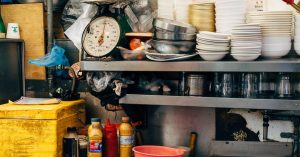
Refrigeration isn’t just one big unit; it’s your walk-in, reach-ins, under-counter units, display cases, and ice machines. Each one is fighting to maintain specific temperatures against both ambient room heat and the constant opening and closing of doors. Leaky door seals, dirty condenser coils, or improperly loaded units mean these appliances run almost constantly, driving up your restaurant refrigeration costs through the roof. This is a crucial area for commercial kitchen energy savings.
Here’s a snapshot of typical energy consumption in a small cafe during summer:
| Equipment Type | Estimated % of Total Energy Bill (Summer) | Key Energy Saving Areas |
|---|---|---|
| Air Conditioning (HVAC) | 25-40% | Thermostat settings, maintenance, insulation, door habits |
| Refrigeration (all units) | 15-25% | Door seals, coil cleaning, organization, placement |
| Cooking Equipment | 10-20% | Pre-heating habits, ventilation, equipment sizing |
| Lighting | 5-10% | LED upgrades, natural light, turning off in unused areas |
| Water Heating | 5-10% | Insulation, flow rates, on-demand heating |
| Other (POS, fans, small appliances) | 5-15% | Smart plugs, turning off when not in use |
5 Ways to Save on Cafe Energy Costs in June 2026
Ready to trim those june 2026 operational costs? These strategies are designed for immediate impact and long-term savings.
1. Master Your Maintenance & Equipment Placement
This is probably the most overlooked area for reduce summer utility bills, but it offers huge returns. Just like you wouldn’t run a car without an oil change, don’t run your AC or fridges without proper checks.
- Clean Coils Regularly: For both AC and refrigeration units, dirty condenser coils are efficiency killers. They force the unit to work harder, consuming more electricity. Schedule monthly cleaning for refrigeration coils and at least quarterly for AC filters and coils. You’d be amazed how much gunk builds up!
- Check Door Seals: A worn-out gasket on a fridge or freezer door lets cold air escape, making the unit run constantly. Test seals by closing a dollar bill in the door; if you can pull it out easily, the seal needs replacing.
- Ensure Proper Ventilation: Refrigeration units need space to dissipate heat. Don’t push them flush against walls or block their vents with storage. For your AC, ensure outdoor units aren’t obstructed by plants or debris.
- Strategic Placement: If possible, move heat-generating equipment (ovens, dishwashers) away from refrigeration units and customer seating to lessen the load on your AC.
2. Optimize Your AC Usage and Small Restaurant AC Efficiency
Small tweaks to how you manage your air conditioning can lead to significant savings without sacrificing comfort.
- Set Smart Thermostat Temperatures: Find the sweet spot. Aim for 72-75°F (22-24°C) during business hours. For every degree you raise the thermostat above 72°F, you can save 1-3% on cooling costs. Install a programmable or smart thermostat if you don’t have one to automatically adjust temps after hours or on off-days.
- Seal Leaks & Insulate: Check around doors and windows for drafts. Weatherstripping and caulk are inexpensive fixes that prevent cool air from escaping. Consider insulating hot water pipes in your kitchen to reduce ambient heat.
- Utilize Fans: Ceiling fans can make a room feel 3-4 degrees cooler for a fraction of the cost of AC. Use them in dining areas and even in the kitchen (if safety allows) to improve airflow.
- Keep Doors Closed: This sounds obvious, but a constantly propped-open front door in summer is literally throwing money out. Train staff to close doors promptly, and if you have an automatic door closer, ensure it’s functioning.
3. Implement Smart Refrigeration Practices
Beyond maintenance, how your team uses refrigeration daily impacts restaurant refrigeration costs.
- Temperature Checks: Regularly verify internal temperatures with a separate thermometer to ensure units aren’t set colder than necessary. Every degree colder adds to energy use.
- Organize & Don’t Overpack: A well-organized fridge allows for better airflow, helping it run more efficiently. Overpacking restricts airflow, making the unit work harder. Use a system, perhaps like a Free Daily Kitchen & Bar Prep List Template for Busy Summer Shifts (Cafes & Restaurants), to ensure proper inventory rotation and organization, preventing units from being stuffed unnecessarily.
- Cool Foods Before Refrigerating: Placing hot food directly into a fridge or freezer forces the unit to expend a tremendous amount of energy to bring it down to temperature. Allow food to cool safely to room temperature before storing.
- Limit Door Openings: Train staff to grab everything they need in one go rather than constantly opening and closing doors. This minimizes cold air loss.
4. Manage Heat in Your Commercial Kitchen
Your kitchen is a heat factory, and that heat directly impacts your AC load. Focusing on commercial kitchen energy savings here is crucial.
- Ventilation is Key: Ensure your exhaust hoods are clean and running efficiently. They pull hot air, steam, and grease out of the kitchen, significantly reducing the burden on your AC.
- Schedule Cooking Smartly: If possible, schedule energy-intensive tasks like baking or large batch cooking during cooler parts of the day (early morning or late evening) or spread them out to avoid peak heat generation.
- Turn Off Equipment: When not in active use, turn off ovens, griddles, and warmers. These radiate immense heat even when idle. This can be integrated into your Free Daily Opening & Closing Checklist Template for Small Cafes & Restaurants (Summer Prep) to ensure consistency.
- Use Lids on Pots: Lids reduce heat escaping into the kitchen and also speed up cooking, saving energy on the stovetop.
5. Empower Your Staff to Be Energy Savers
Your team’s habits make a massive difference in your cafe energy costs. Get them on board with clear expectations.
- Educate Them: Explain *why* these practices matter. Show them how collective action impacts the business’s bottom line and perhaps even their job security.
- Include in Training: Make energy-saving practices part of your onboarding process, especially for new summer staff. It’s as important as food safety.
- Daily Reminders & Checklists: Use checklists for opening and closing duties that include turning off equipment, checking fridge seals, and ensuring doors are properly shut.
- Incentivize (Optional): Consider a small bonus or recognition for staff if the business hits certain utility bill reduction targets.
Streamline Operations & Boost Your Bottom Line
Efficient staffing also plays a role in managing your june 2026 operational costs. With Shifty, you can easily create optimal schedules, track hours, and ensure your team is where they need to be, when they need to be, helping you save on labor costs and improve overall efficiency. Available on iOS, Android, and Web. Free trial available.
Speaking of staffing, inefficient scheduling or high turnover can indirectly impact your energy consumption. For example, if you’re constantly overstaffing or understaffing, it eats your profits in various ways, including potential for less mindful energy use by overworked or bored staff. Smart scheduling ensures you have the right number of people to perform energy-saving tasks effectively.
Frequently Asked Questions
What’s the biggest energy hog in a small cafe during summer?
During summer, air conditioning (HVAC) typically consumes the largest portion of a small cafe’s energy, often accounting for 25-40% of the total bill. Refrigeration units combined (walk-ins, reach-ins, display cases) are usually the second largest, adding another 15-25% to your cafe energy costs.
How often should I clean my refrigeration condenser coils?
For optimal restaurant refrigeration costs and efficiency, you should clean refrigeration condenser coils monthly. In busy commercial kitchens or dusty environments, even more frequently might be necessary. This simple task can significantly reduce summer utility bills.
Are energy-efficient appliances worth the investment for a small restaurant?
Absolutely. While the upfront cost might be higher, energy-efficient appliances, especially for high-use items like refrigerators, freezers, and AC units, offer substantial long-term savings on your june 2026 operational costs. They often pay for themselves through reduced energy consumption within a few years, offering excellent return on investment and contributing to significant commercial kitchen energy savings.
How can I easily get my staff to help reduce energy consumption?
Start by educating them on the «why» – explain how high energy bills impact the business. Then, make it easy with clear, actionable steps: include energy-saving tasks on opening/closing checklists, post reminders, and train them on proper equipment use (e.g., closing fridge doors quickly, turning off non-essential lights/equipment). Empowering them and making it part of their routine is key to improving your small restaurant AC efficiency and overall energy footprint.
Don’t let soaring summer temperatures drain your profits. By implementing these practical steps, you can significantly lower your cafe energy costs and keep more money in your pocket as you head into June 2026 and beyond.