
Key Takeaways
- Ghost kitchens are splintering into hyper-specialized micro-brands, demanding a focus on niche markets.
- Success in this new landscape hinges on aggressive data analysis, efficient operations, and meticulous cost control.
- Traditional restaurant models must adapt or risk being squeezed out by these lean, agile competitors.
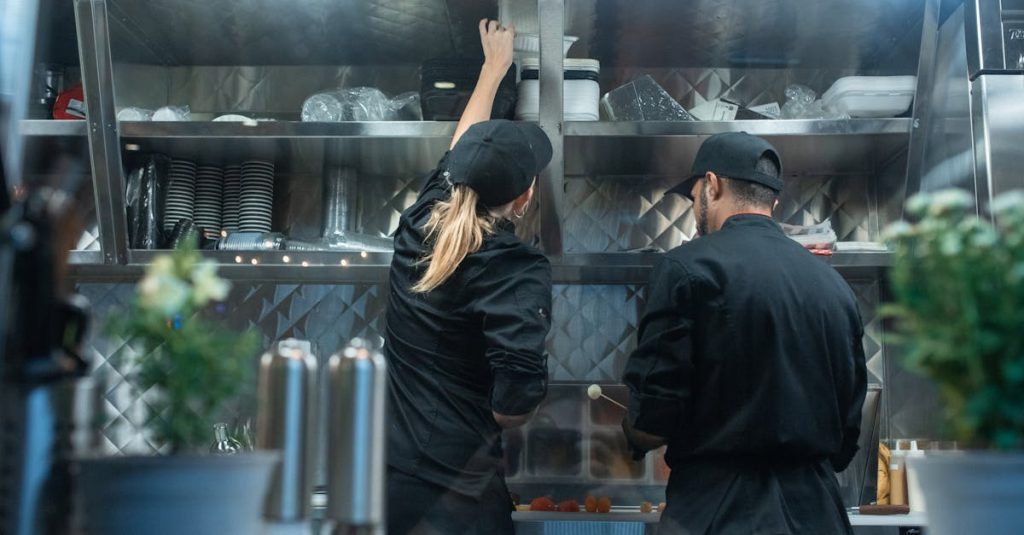
The year is April 2026. In the bustling heart of Austin, Texas, a single kitchen is churning out orders for *five* distinct virtual brands: «Smashburger Supreme,» «Keto Corner,» «Vegan Vibes,» «Late Night Tacos,» and «Gourmet Grilled Cheese.» This isn’t some experimental startup; it’s the new normal. The food industry is experiencing a radical fracturing, and the ghost kitchen model is leading the charge. This isn’t a story about a passing fad; it’s a fundamental shift in how food is produced, marketed, and consumed.
The Rise of the Micro-Brand
We’ve already seen the rise of virtual brands, but the trend now is hyper-specialization. Rather than broad, all-things-to-all-people menus, the successful players are carving out ultra-specific niches. Consider «Wingstop,» which has built a successful empire around one food item, or «MrBeast Burger,» which leverages a large online presence to make it the most popular burger joint in the US. Now think even *smaller*. We’re talking brands focused solely on gourmet french fries, artisanal ice cream sandwiches, or even just high-end delivery-only ramen with meticulously sourced ingredients.
This splintering is driven by several factors. First, the cost of entry is lower than ever. A basic kitchen setup, a savvy social media presence, and a relationship with the delivery apps are all that’s required to launch. Second, consumer behavior is becoming increasingly fragmented. People are no longer looking for a single «go-to» restaurant; they crave variety and specific cravings. Lastly, the explosion of data analysis tools allows operators to pinpoint hyperlocal trends and exploit them rapidly.
Data is King
The winners in this arena will be data-driven. It’s not enough to *think* you know what consumers want; you *must* know. Operators need to constantly monitor:
- Delivery app analytics: Which menu items are trending? What are the peak ordering times?
- Social media sentiment analysis: What are people saying about your brand (and your competitors)?
- Hyperlocal market research: What cuisines or food trends are gaining popularity in specific neighborhoods?
This data dictates everything, from menu development to marketing strategy to where you establish your presence. For example, a ghost kitchen operator in Portland, Oregon, might notice a surge in searches for «authentic Malaysian street food» in a specific zip code. They could then launch a virtual brand specializing in precisely that, knowing that they can potentially generate revenue at scale.
«The future of restaurants isn’t about location, location, location. It’s about data, data, data. If you’re not tracking every click, every order, every review, you’re flying blind.» — Chef David Chang, on the evolution of the food industry.
Operational Efficiency is Non-Negotiable
Running multiple virtual brands from a single kitchen demands airtight efficiency. This means:
- Inventory management: Minimizing waste by precisely forecasting ingredient needs for each brand.
- Staffing optimization: Cross-training staff on multiple cuisines and menu preparation techniques.
- Order fulfillment systems: Streamlining the process from order receipt to delivery, minimizing errors and delays.
- Technology integration: A single point of sale (POS) system that can handle multiple brands, integrate with delivery platforms, and track key metrics.
Think of it as a finely tuned machine. Every component must function flawlessly. One slow cook, a single ingredient shortage, a missed delivery window – these are all opportunities for a virtual brand to fail. If they fail, that kitchen might take a bath as that brand dies.
The Labor Puzzle
One of the biggest operational hurdles is staffing. Managing multiple brands from a single kitchen increases complexity. You need employees who are versatile, well-trained, and adaptable. This puts extra pressure on employee performance, and training. This creates extra importance on employee performance, and training.
In addition, with the industry struggling with hiring and keeping staff, you may need to develop a competitive compensation scheme to retain the most versatile and valuable team members. This becomes even more challenging during times of intense demand, like Spring Break.
Speaking of streamlined operations…
A tool like Shifty can help your teams stay focused on delivering great experiences by streamlining scheduling across multiple brands, and analyzing labor costs. Free trial available.
The Impact on Traditional Restaurants
This hyper-specialization trend poses a serious threat to traditional brick-and-mortar restaurants. Many are already struggling to compete with the Ghost Kitchens’ expansion, and the rise of virtual brands will only exacerbate the problem. Traditional restaurants face higher overhead costs (rent, utilities, etc.) and a less flexible business model. To survive, they must adapt.
| Traditional Restaurant | Micro-Brand/Ghost Kitchen |
|---|---|
| High overhead (rent, utilities) | Lower overhead (shared kitchen space) |
| Fixed menu, less agile | Highly adaptable, niche focus |
| Limited delivery capabilities | Delivery-first, maximizing reach |
| Broader marketing costs | Data-driven, targeted marketing |
The path forward isn’t easy, but the successful traditional restaurants in 2026 will:
- Embrace data: Analyze their customer base and menu performance just as intensely as the virtual brands do.
- Experiment with virtual brands: Launch their own delivery-only concepts to compete in the digital space.
- Focus on experience: Provide exceptional in-house dining experiences to give customers a reason to visit and develop customer loyalty.
- Streamline operations: Reduce waste, optimize staffing, and adopt technology to improve efficiency.
The Regulatory Landscape
As the trend toward ghost kitchens and virtual brands continues, regulations will certainly tighten. This means that data privacy will become more important than ever. With the vast amounts of information being gathered, restaurants need to become more and more prepared for these regulations. You might even consider anonymizing your customer data in order to ensure you’re in compliance.
More specifically, expect:
- Stricter health inspections: Regulators will likely scrutinize shared kitchen spaces more closely, ensuring food safety standards are met across all brands.
- Labeling requirements: Increased transparency regarding ingredient sourcing and preparation methods.
- Data privacy regulations: Stricter rules governing the collection, storage, and use of customer data.
Frequently Asked Questions
How can a restaurant identify a viable niche for a virtual brand?
Analyze data from delivery apps, social media, and local market research to identify unmet consumer needs and emerging food trends in your target area.
What are the biggest challenges of managing multiple virtual brands?
Maintaining consistent quality, managing inventory efficiently, optimizing staffing across brands, and navigating the complexities of different delivery platforms.
What’s the relationship between the rising costs of ingredients and this trend?
The micro-brand model gives owners the opportunity to source their ingredients more efficiently. Because they can specialize in a single menu offering, they’re better able to bulk-source ingredients and pass the savings onto customers.
In April 2026, the restaurant landscape is being reshaped. This new world favors the nimble, the data-driven, and the hyper-focused. Those who can adapt will thrive; those who don’t, will struggle to survive.