
Key Takeaways
- Hyper-personalized menus are moving beyond dietary restrictions to predict and cater to individual preferences in real-time.
- Success in April 2026 demands a deep understanding of customer data, but navigating privacy concerns is paramount.
- The ability to adapt quickly and efficiently, optimizing labor and inventory, will separate winners from losers.
Beyond the QR Code: How Hyper-Personalized Menus are Reshaping Customer Experience (and Profits) in April 2026
Remember those early QR code menus? A relic, really. They were a necessary pivot, a clunky compromise born from crisis. Now, in April 2026, the technology has evolved. Forget simply displaying a menu; it’s about anticipating cravings, catering to individual preferences, and driving unprecedented levels of customer satisfaction and, yes, profits. The game has changed, and those who haven’t adapted are already falling behind.
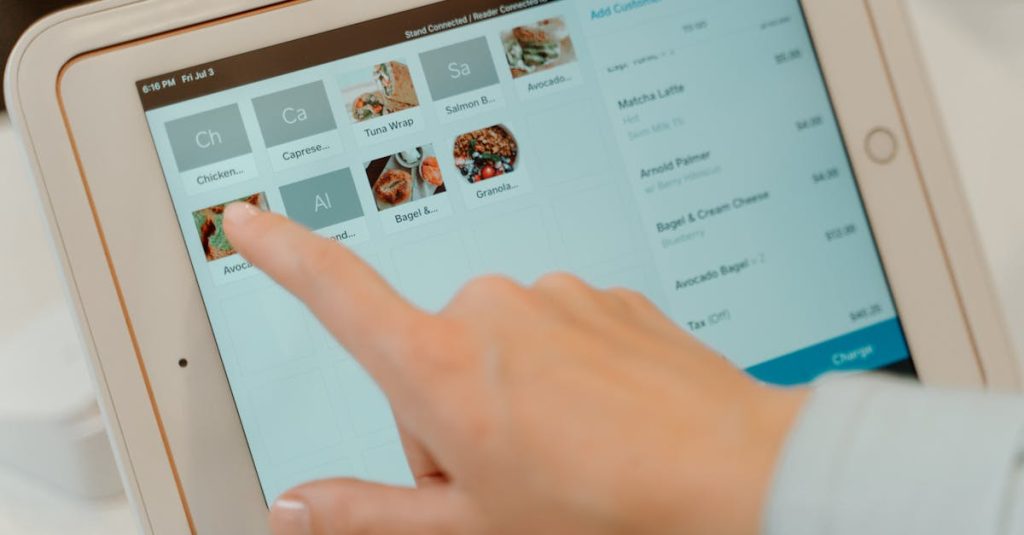
Consider the scene: It’s a bustling Friday night in Chicago, and you’re the manager at a popular gastropub in Wicker Park. The floor is packed, and the expo line is humming. But this isn’t the chaos of yesteryear. Instead of overwhelmed servers and frustrated customers, you see a well-oiled machine. Diners are greeted with personalized menus on their tablets, pre-loaded with their dietary preferences, past orders, and even real-time suggestions based on current inventory and weather conditions. One table receives a suggestion for a spicy chili dish because the weather app indicates a sudden drop in temperature. Another gets a prompt for a vegan-friendly appetizer based on their past orders. This isn’t just about efficiency; it’s about creating a truly personalized customer experience.
The Rise of Predictive Menus
The core of this revolution is menu technology that goes far beyond simple online ordering. It’s about using data – and I’m talking *a lot* of data – to predict and proactively meet customer needs. This includes:
1. Data-Driven Recommendations
Forget the generic «customer favorites» blurbs. Now, algorithms analyze everything from past orders, loyalty program data, demographic profiles, and even real-time social media activity (with consent, of course!). Imagine a customer in Los Angeles who regularly orders spicy dishes. Based on this, the system will not only suggest similar dishes but also subtly adjust the spice level to match their preferences, as determined by their feedback from previous orders. This level of personalization is becoming the norm.
2. Dietary and Allergen Transparency
The ability to easily filter menus for allergens and dietary restrictions is no longer a perk, it’s a bare minimum requirement. But in April 2026, it’s gone further. Using smart-ingredient tagging, the system can dynamically adjust a dish to meet multiple needs, replacing dairy-based ingredients with a variety of alternatives, or adjusting the recipe to be gluten-free. Some restaurants in Austin are even experimenting with «allergen scores,» quantifying the risk of cross-contamination for maximum customer reassurance.
3. Real-Time Inventory Optimization
The system integrates directly with your inventory management, automatically highlighting dishes that need to be cleared out quickly or are running low. This minimizes food waste and encourages upselling. Picture this: A local Italian restaurant in Boston is holding a surplus of artichokes. The menu app offers an artichoke pizza to a customer who has expressed interest in that ingredient in the past. This not only sells the artichokes but delights the customer at the same time.
Navigating the Data Minefield
Of course, this data-driven paradise isn’t without its challenges. The biggest one? Customer data privacy. Restaurants must walk a tightrope, collecting and using data in ways that are transparent, ethical, and compliant with increasingly stringent regulations. This is not optional. Ignoring privacy is a fast track to brand damage and legal headaches. For advice on this, check out our piece on Data Privacy’s New Frontier: Why Anonymizing Customer Data Is Your April 2026 Survival Skill.
Here’s a snapshot of the major considerations:
| Challenge | Mitigation Strategy |
|---|---|
| Data Breaches | Implement robust cybersecurity measures, encrypting all data, and conducting regular vulnerability assessments. |
| Transparency and Consent | Be upfront with customers about what data you collect and how you use it. Get explicit consent. |
| Right to Erasure | Provide customers with an easy way to delete their data, and comply promptly with all requests. |
| Data Minimization | Only collect the data you need. The less data you have, the less risk. |
“In 2026, restaurants that prioritize data privacy will gain a significant competitive advantage. Customers are increasingly savvy, and they will vote with their feet (and their wallets).” – *Dr. Anya Sharma, Data Ethics Consultant*
Staffing for the Digital Age
This technological shift also impacts your workforce. Employees will need to be trained on the new systems, understand data privacy protocols, and know how to personalize the customer experience. This is especially true given the ongoing labor shortages. This is another area that is undergoing significant change. Look into Spring Break Staffing Backlash: Why Your Usual Strategy Might Backfire in April 2026 for insight into the changing trends.
One key adaptation is flexibility. The ability to quickly reassign staff based on real-time needs – adjusting waitstaff based on diner demand or kitchen staff based on order volume – becomes critical. And that requires efficient scheduling and communication.
Speaking of Staffing
Streamline your shift scheduling and team communication with Shifty. It’s the perfect way to manage your labor costs and ensure the efficiency needed in a data-driven world. Free trial available.
The Competitive Landscape: What’s at Stake?
The restaurants that embrace personalized menus and the technology that powers them will be well-positioned to thrive. They’ll boost customer satisfaction, increase order values through upselling and targeted suggestions, and optimize their inventory, reducing waste and boosting profits. However, many restaurants are likely to struggle. In a market already facing fierce competition from Ghost Kitchens and micro-brands, failure to adapt is a recipe for disaster. Restaurants in areas like Seattle will need to watch the expansion of Ghost Kitchens closely, and ensure they are ready to meet the competition.
Here’s a comparison:
| Restaurant Type | Key Differentiators | Challenges |
|---|---|---|
| Tech-Forward Restaurants | Personalized menus, data-driven recommendations, optimized inventory, streamlined operations. | High initial investment, data privacy concerns, employee training. |
| Traditional Restaurants | Traditional menus, relying on servers for recommendations, manual inventory management. | Reduced customer satisfaction, potential for food waste, inefficient operations, declining profits. |
The need for quick adaptation is critical. Consider the speed at which restaurants in Denver have begun to adapt to changes in catering; for insights, see April’s Hidden Goldmine: How to Dominate the Catered Events Boom (and Beat the Slow Season)
The Future is Now
April 2026 is not a far-off fantasy. The technology exists, the consumer demand is there, and the competitive pressures are mounting. The restaurants that succeed will be those that embrace these changes, not just to survive, but to truly thrive in this new era of personalized dining.
Frequently Asked Questions
How can I start implementing personalized menus?
Begin by researching menu technology providers. Prioritize those with strong data privacy protocols and integration capabilities. Start small, with a pilot program in one location or a limited menu. Then, gather feedback and refine your approach.
What about the cost?
The initial investment can be substantial. But consider the ROI: reduced food waste, increased order values, improved customer loyalty, and optimized labor costs. These all can offset the upfront costs.
How do I address customer privacy concerns?
Be transparent. Clearly state your data collection practices in your privacy policy. Give customers control over their data and offer the option to opt-out or delete their information. Ensure you meet all relevant GDPR or CCPA requirements, depending on where you operate.
How does this affect staffing?
Provide thorough training on new technologies and data privacy. Consider hiring a data analyst to manage and interpret customer data. Focus on creating a more flexible and responsive workforce through efficient scheduling. Remember to address Performance Reviews Reimagined: How to Stop Wasting Time and Actually Boost April 2026 Employee Performance.
The best restaurants in April 2026 won’t just serve food; they’ll serve an experience curated for each individual guest. Are you ready?