
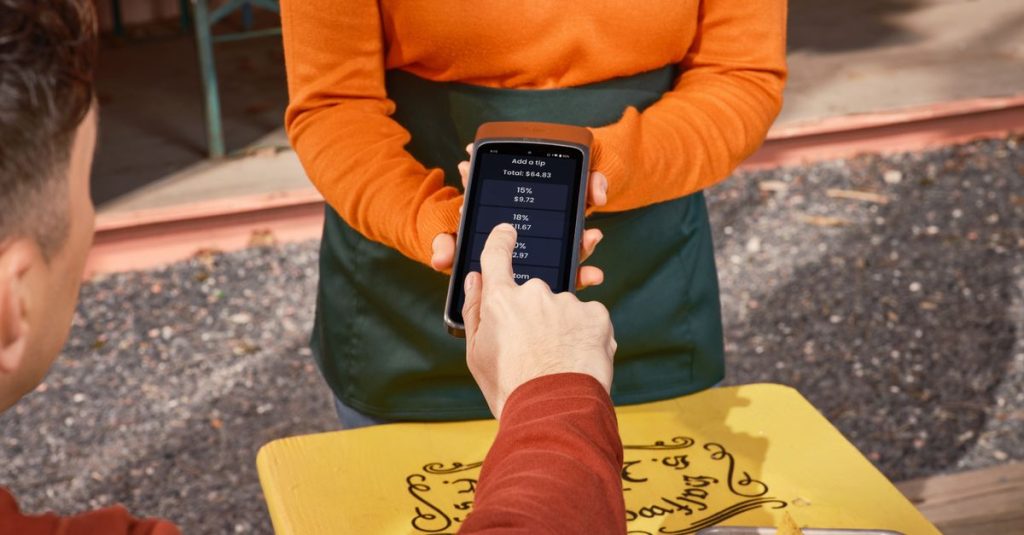
Running a cafe or restaurant is tough enough without constantly worrying about labor laws. Take Sarah, who owns «The Daily Grind,» a bustling 15-seat cafe in Austin with 8 baristas and 2 kitchen staff. After a busy Saturday morning, she found herself staring at a stack of credit card tips, wondering, «Who gets what, and am I doing this legally?» This isn’t just a Sarah problem; it’s a common headache for many small restaurant and bar owners.
Getting your tip pooling and sharing practices right isn’t just about fairness; it’s about avoiding hefty fines, employee disputes, and potential lawsuits. Especially heading into the busy summer season, ensuring your `restaurant tip pooling laws` compliance is critical. We’re breaking down the federal rules and how `state laws for tip pooling` can add extra layers of complexity, ensuring your cafe or bar’s tip distribution is bulletproof.
Key Takeaways
- Federal law (FLSA) allows mandatory tip pools but prohibits employers, managers, and supervisors from participating.
- Back-of-house staff (cooks, dishwashers) *can* legally participate in tip pools IF the employer pays all employees at least the full federal minimum wage ($7.25/hour) and does not take a tip credit.
- State laws often differ from federal rules; always check your specific state’s Department of Labor for stricter `tip sharing rules cafe` regulations.
- Clear, written policies, transparent distribution, and regular reviews are essential for `tipped employee wages compliance`.
Understanding Federal Tip Pooling Laws: The FLSA Basics
The `Fair Labor Standards Act (FLSA)` is the federal backbone for wage and hour laws, including those that govern tips. For small cafes and bars, understanding the FLSA is the first step to ensuring your `restaurant tip pooling laws` are compliant.
The «Tip Credit» and Its Impact on Tip Pools
Historically, the FLSA allowed employers to pay tipped employees a lower direct cash wage (as low as $2.13 per hour, federally) and use a «tip credit» to make up the difference to the full federal minimum wage ($7.25 per hour). If you take a tip credit, then only employees who «customarily and regularly» receive tips (like servers, bartenders, baristas) can be part of a mandatory tip pool.
However, many states have higher minimum wages for tipped employees, and some don’t allow a tip credit at all, requiring you to pay the full state minimum wage before tips. Always check your local laws first, as state rules can be more stringent than federal.
Mandatory vs. Voluntary Tip Pools
Under the FLSA, employers *can* require employees to participate in a tip pool. The key is that the pool must include only employees who «customarily and regularly receive tips» if you’re taking a tip credit. If you pay all your employees at least the full federal minimum wage (i.e., you don’t take a tip credit), the rules around who can participate in a pool become more flexible, which we’ll discuss next.
Who Can (and Can’t) Be in Your Tip Pool?
This is where many cafe and restaurant owners get tripped up. The FLSA has specific rules about who can share tips, especially after the 2018 amendments and subsequent Department of Labor guidance. Getting this wrong can lead to serious penalties and morale issues.
Front-of-House (FOH) Tipped Employees
Generally, employees who directly serve customers and receive tips as part of their regular duties can be part of a tip pool. This includes:
- Servers
- Bartenders
- Baristas
- Bussers
- Food runners
- Hosts/hostesses (if they customarily receive tips, e.g., from carry-out orders or seating)
If you’re taking a tip credit, your tip pool MUST be limited to these types of roles. The pool must also be «fair and reasonable,» meaning the distribution method should reflect the employees’ contributions to customer service.
Is Back-of-House Tip Sharing Legal?
This is a big one. For years, federal law generally prohibited `back of house tip sharing legal` for non-tipped employees (like cooks and dishwashers). However, the 2018 FLSA amendments and subsequent regulations changed this. Now, if an employer pays all employees a direct cash wage of at least the full federal minimum wage ($7.25/hour) and DOES NOT take a tip credit, then tips can be shared with employees who do not customarily and regularly receive tips.
This means if you’re paying your baristas, servers, and bartenders at least $7.25/hour (or your state’s minimum wage, whichever is higher) directly, you *can* legally include your cooks, dishwashers, and other kitchen staff in your tip pool. This is great for fostering teamwork and reducing the cost of How Much Does Losing a Seasonal Barista or Server *Really* Cost Your Cafe This Summer (July 2026)? by allowing BOH staff to benefit from the business’s success.
Manager Participation in Tip Pool: A Clear No
Here’s a hard rule: Employers, managers, and supervisors are generally PROHIBITED from participating in a tip pool, even if they sometimes pitch in with tipped duties (like pouring a coffee or running a dish). This is true whether you take a tip credit or not.
The reasoning is that tips belong to the employees, not the business or its management. An owner, manager, or supervisor who receives tips, even accidentally, can face significant penalties. This rule ensures that your `manager participation in tip pool` practices are fully compliant.
Navigating State Laws for Tip Pooling: It’s Not Just Federal
While the FLSA sets a federal baseline, many `state laws for tip pooling` have their own, often stricter, rules. Just like with Predictive Scheduling Laws for Small Restaurants & Cafes: What You Need to Know (State-by-State Guide for June 2026), ignoring state-specific regulations can land you in hot water. Always consult your state’s Department of Labor or a local labor attorney.
Here’s a simplified look at common variations you might encounter:
| State Law Area | Federal FLSA Rule (General) | Common State Variations (Examples) | Actionable Advice |
|---|---|---|---|
| Tip Credit | Allows credit to $2.13/hour. | Some states (e.g., California, Washington, Oregon, Alaska, Minnesota, Montana, Nevada) do not allow a tip credit at all, requiring full state minimum wage. Others have higher tipped minimum wages. | Determine your state’s minimum cash wage for tipped employees and adjust payroll accordingly. |
| BOH Tip Sharing | Allowed IF employer pays full minimum wage, no tip credit. | Some states (e.g., New York, Massachusetts) have historically had stricter interpretations or specific rules for BOH sharing. Always check. | If you wish to include BOH, ensure you are NOT taking a tip credit for *any* employee, and confirm your state allows it. |
| Manager Tipping | PROHIBITED. | Universal. States mirror federal law. | Ensure owners, managers, and supervisors never take tips, even if helping out. |
| Credit Card Fees | Employers can deduct a reasonable amount for processing credit card tips. | Some states prohibit or limit these deductions (e.g., California, Massachusetts, New York). | Review your state’s stance on tip deductions for credit card processing. |
| Tip Reporting | Employees must report all tips to employer. | States often have similar reporting requirements for state income tax purposes. | Implement clear tip reporting procedures for staff. |
For example, if Sarah’s cafe was in California, she wouldn’t be able to take a tip credit at all, meaning all her employees would need to be paid at least the state’s full minimum wage. This would also mean she could legally include her kitchen staff in the tip pool, assuming her written policies are clear on `tip sharing rules cafe`.
Practical Steps for Compliant Tip Sharing & Pooling
Don’t just hope for the best. Proactive planning keeps you out of trouble and fosters a positive work environment for your team. Here’s how to ensure your `tipped employee wages compliance`.
- Develop a Clear Written Policy: This is non-negotiable. Your policy should outline:
- Who participates in the tip pool.
- How tips are collected (e.g., all cash tips pooled, credit card tips pooled).
- The method of distribution (e.g., by hours worked, points system, percentage of sales).
- When and how often tips are distributed.
- What happens to unclaimed tips.
Make sure every new hire reviews and signs this policy. Keep it accessible.
- Educate Your Team: Hold regular, brief meetings to discuss the policy, especially with new hires or if there are any changes. Transparency builds trust and prevents misunderstandings.
- Use a Reliable Tracking System: Manually tracking tips can be a nightmare. A detailed spreadsheet or a POS system with tip pooling features can simplify things. For a starting point, check out our Free Weekly Tip Pooling Spreadsheet Template for Cafes & Bars (Fair Distribution Guide).
- Distribute Promptly and Transparently: Tips should be paid out at or before the regular payday. Provide a clear breakdown of how each employee’s tip share was calculated. This helps avoid accusations of unfairness or theft.
- Regularly Review Your Practices: Labor laws change. State minimum wages increase. Your business structure might evolve. Make it a point to review your tip pooling policy at least once a year, and definitely when significant legal updates occur (like these «July 2026» guidelines).
Simplify Staff Management & Boost Morale
Fair tip distribution is just one piece of the puzzle. An organized schedule and clear communication keep your team happy and productive. Shifty helps you manage shifts, communicate with staff, and track hours, giving you more time to focus on your business. Available on iOS, Android, and Web. Free trial available.
Common Tip Pooling Mistakes to Avoid
Even with good intentions, mistakes happen. Here are a few common pitfalls for small cafe and bar owners:
- Not Knowing State & Local Laws: Assuming federal law is the only law. Always double-check your state and city-specific `restaurant tip pooling laws`.
- Managers Taking Tips: This is a constant issue. Managers, supervisors, and owners should never take a cut from employee tip pools. Period.
- Incorrectly Applying the Tip Credit: If you take a tip credit, but an employee doesn’t make enough in tips to reach the full minimum wage, you must make up the difference. Also, remember only certain roles are eligible for tip credit.
- Deducting Operating Costs from Tips: Tips are for employees. You cannot deduct business expenses (like breakage, cash register shortages, or the cost of doing business) from an employee’s tips. The only exception is often a «reasonable» amount for credit card processing fees, but even that is often restricted by state law.
- Pooling Tips with Non-Customer-Facing Staff (when taking a tip credit): If you’re utilizing the tip credit, you cannot include BOH staff in your mandatory tip pool. Make sure you understand the nuances here.
Frequently Asked Questions
Can managers or owners ever take tips from the pool?
No. Federal law, under the FLSA, explicitly prohibits employers, managers, and supervisors from keeping any portion of employee tips, even if they occasionally perform duties that would otherwise earn tips. Tips belong solely to the employees who customarily and regularly receive them.
Can I deduct credit card processing fees from employee tips?
Federally, an employer can deduct a «reasonable» amount (proportionate to the cost incurred) for processing credit card tips from the employee’s tip earnings. However, many states have stricter `tip sharing rules cafe` and either prohibit or significantly limit these deductions. Always check your specific state laws.
What if a state law for tip pooling is different from federal law?
When federal and state laws differ on `state laws for tip pooling`, you must follow the law that provides the greater protection or benefit to the employee. In most cases, this means following the stricter law. Always consult your state’s Department of Labor for clarification.
Do I need a written tip pooling agreement?
While not always strictly mandated by law, having a clear, written tip pooling policy or agreement is highly recommended. It provides transparency, sets expectations for employees, and serves as crucial documentation if any disputes or audits arise. Ensure all employees understand and acknowledge the policy.
Navigating `restaurant tip pooling laws` doesn’t have to be a guessing game. By understanding federal FLSA rules, checking your state’s specific `tip sharing rules cafe` and consistently applying transparent policies, you can ensure fair distribution and avoid legal pitfalls for your business.