
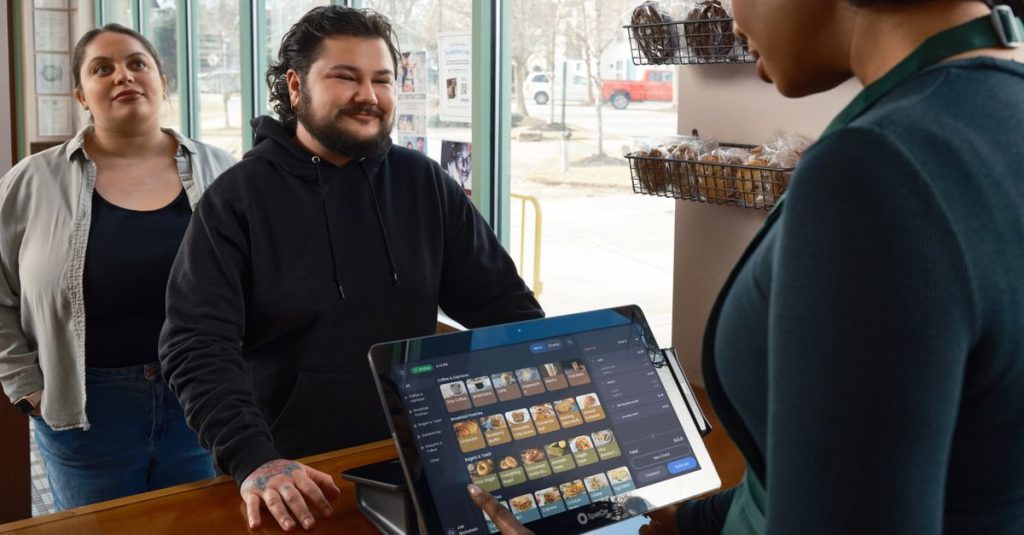
It’s July 2026. The summer rush is in full swing at your cafe or bar, and while customer numbers are up, so is the stress. You hired a great team of seasonal staff a few months back, but now’s the time many start to fizzle out – or worse, actively look for the exit. That mid-summer slump can hit hard, leading to burnout, lower morale, and a spike in unexpected quits. Before you know it, you’re scrambling to cover shifts, training new hires mid-peak season, and watching your profit margins shrink.
The good news? You can prevent this mid-summer meltdown. Keeping your seasonal restaurant staff motivated and engaged through the dog days of summer doesn’t require a massive budget or a complete overhaul of your business. It’s about practical, actionable strategies that address common pain points and make your cafe or bar a place they *want* to stay, not just a temporary gig.
Key Takeaways
- Proactive check-ins and open communication prevent burnout and address issues before staff quit.
- Offer flexibility and ensure fair, predictable scheduling to significantly boost hourly worker motivation.
- Recognize and reward effort with low-cost perks and genuine appreciation to keep summer employee engagement high.
- Invest in a positive work environment, comfort, and minor skill development to improve mid-summer staff retention.
- Consider pathways for your best seasonal staff to stay on, turning temporary hires into long-term assets.
Why Seasonal Staff Hit the Wall Mid-Summer (and Why It Matters)
You’ve seen it before: the energetic new hire from May starts dragging their feet by July. What gives? For many seasonal workers, especially students or those in transitional phases, the novelty wears off. The heat, the relentless pace of peak season, and the feeling of being just a “temporary” cog in the machine can lead to significant disengagement.
Common reasons for this mid-summer fade:
- Burnout: Long shifts, intense customer demands, and hot kitchens take their toll.
- Feeling Undervalued: If they only hear about mistakes or are treated as disposable, why should they care?
- Better Opportunities: A friend’s job offer with slightly better pay, different hours, or perceived better treatment can be tempting.
- Lack of Flexibility: Summer plans, family events, or other commitments clash with rigid schedules.
- Poor Communication: Unaddressed grievances, unclear expectations, or a lack of feedback.
And when staff quit mid-season, it hits your bottom line hard. Not only do you face staffing shortages, but the true cost of staff turnover – from lost productivity to recruiting and retraining new hires – can easily exceed $2,000 per person for an hourly role. For a small restaurant or cafe, losing even one or two experienced servers or baristas can mean significant operational headaches and lost revenue.
Flexible Schedules & Fair Treatment: Your Best Defense Against Quitting
One of the biggest factors in hourly worker motivation small restaurant environments is how shifts are managed. Seasonal staff often have diverse needs – some are saving for college, others want to enjoy their summer but still earn. Rigidity is your enemy.
The Power of Predictable, Flexible Shifts
Imagine Maria, who manages “The Daily Grind,” a bustling cafe in Portland with 10 part-time baristas. Her seasonal hires often juggle classes, other summer gigs, or family commitments. Maria found that offering predictable schedules with built-in flexibility drastically reduced her mid-summer staff turnover. Instead of last-minute changes, she posts schedules 2-3 weeks in advance. She also uses a shift scheduling app that lets staff easily swap shifts among themselves (with manager approval, of course) or request time off directly.
- Advance Notice: Post schedules at least two weeks out. This allows staff to plan their lives and reduces last-minute conflicts.
- Self-Service Swaps: Empower your team to manage their own shifts. If two employees can cover each other’s shifts, it saves you time and gives them autonomy.
- Respect Availability: During the hiring process, be clear about expected availability and then stick to it. Don’t overschedule someone who stated limited hours.
Fairness in Scheduling: Beyond Just Hours
It’s not just about the number of hours, but the quality of those hours. Nobody wants to work every closing shift or the least busy weekday mornings. Fair distribution of desirable shifts (e.g., busy weekend brunch where tips are good) and less desirable ones is key.
Here’s a simple table illustrating a fair approach to shift distribution over a month:
| Shift Type | Mon (Morning) | Wed (Mid) | Fri (Evening) | Sat (Peak) | Sun (Closing) |
|---|---|---|---|---|---|
| Employee A | ✓ | ✓ | ✓ | ||
| Employee B | ✓ | ✓ | ✓ | ||
| Employee C | ✓ | ✓ | ✓ | ||
| Employee D | ✓ | ✓ |
This ensures everyone gets a mix of shifts, including high-earning opportunities and potentially less demanding slots. Also, ensure fair tip pooling and sharing practices, as this directly impacts income and morale.
Communication is Crucial
Regularly check in with your staff about their schedule preferences. Sometimes, a quick chat can reveal a small adjustment that makes a huge difference to their morale and helps prevent summer staff quitting. Transparent communication around scheduling changes or challenges builds trust.
Streamline Your Summer Scheduling with Shifty
Tired of manual scheduling headaches that lead to staff frustration and turnover? Shifty makes it easy to create fair, flexible schedules, communicate with your team, and manage shifts on the go. Available on iOS, Android, and Web. Free trial available.
Beyond Paychecks: Low-Cost Motivation Tactics for Your Team
While fair pay and good tips are foundational, they aren’t the only drivers of summer employee engagement bars or cafes. Many small businesses operate on tight margins, so big bonuses might not be an option. But there are plenty of low-cost perks and benefits that make a huge difference.
Acknowledge and Appreciate Genuinely
A simple “thank you” goes a long way. Make it specific: “Sarah, great job handling that rush on Saturday! You were really quick with those orders.” Public recognition (like a “Star of the Week” board or a shout-out in a team chat) can boost morale significantly. Remember, small, frequent acknowledgements are more impactful than rare, grand gestures.
- Staff Meal/Drinks: Offer a free meal or discounted drinks during or after their shift.
- Small Treats: Bring in a box of donuts or a cooler of specialty drinks on a particularly hot or busy day.
- Birthday Recognition: A simple card or small gift can make them feel seen.
Skill Development & Growth (Even for Seasonal Staff)
Even if they’re only there for a few months, seasonal staff appreciate learning new things. Offer opportunities to cross-train on different stations (e.g., a barista learning to run the till, a server learning basic bar tending skills). This not only makes your staff more versatile but also keeps them engaged and feeling like they’re progressing.
Team Building & Morale Boosters
Foster a positive, fun environment. A strong team culture can make even the busiest shifts more enjoyable. This is crucial for mid-summer staff retention cafe environments.
- Team Challenges: A friendly competition (e.g., who can upsell the most new menu item, or a cleanliness competition) with a small prize.
- Staff Hangouts: Once a month, organize a low-key gathering outside of work hours (e.g., drinks at a local brewery, a picnic in the park).
- Music & Atmosphere: Let staff contribute to the playlist (within reason) or have “theme days” if appropriate.
Tackle Burnout Head-On: Proactive Strategies for Staff Well-being
Burnout is the silent killer of seasonal staff motivation. During July, when the sun is blazing and the customers keep coming, it’s easy for your team to feel overwhelmed. Proactive measures are essential to motivate seasonal restaurant staff and keep them from reaching their breaking point.
Regular, Informal Check-ins
You don’t need formal performance reviews every week. Simply make time for quick, informal chats. Ask questions like: «How are you doing this week?» «Anything I can do to make things easier?» «Are you getting enough breaks?» Sarah, from The Daily Grind, makes it a point to grab a coffee with each barista once a month for 15 minutes, just to chat about how things are going. This small investment prevents bigger problems.
Managing Workload and Staffing Levels
Are you trying to squeeze too much out of too few people? It’s a common trap in small businesses, but it’s a fast track to burnout. Re-evaluate your staffing levels for peak times. For example, if your cafe typically serves 200 customers during a 4-hour brunch rush, ensure you have enough baristas and servers to handle an average of 50 covers per hour without anyone feeling swamped. Understaffing to save on wages often costs more in the long run due to lost productivity and turnover.
- Monitor Sales & Labor: Use your POS data to accurately project busy periods and staff accordingly.
- Shift Structure: Are your shifts too long? Consider breaking up 8-hour shifts with a mid-shift break or splitting them into two 4-hour shifts if possible.
Prioritize Comfort & Breaks
Summer heat can be brutal, especially in a busy kitchen or behind a hot espresso machine. Ensuring keeping your team comfortable and hydrated is non-negotiable. This means regular access to cool water, designated break times, and a comfortable break area. Simple things like encouraging them to take a five-minute breather in an air-conditioned spot can make a world of difference.
Empowerment & Autonomy
Give your seasonal staff a sense of ownership. Can they suggest a “drink of the day”? Let them choose the music during their shift (within reason). Ask for their input on new menu items or service improvements. When employees feel their opinions matter, they are more invested.
Looking Beyond Summer: Turning Good Seasonal Hires into Year-Round Assets
The best way to combat future seasonal turnover is to stop the cycle altogether by retaining your best summer talent. Not every seasonal hire wants a permanent job, but many are open to the idea, especially if they enjoy the work and the environment. This strategy helps to solidify your mid-summer staff retention cafe efforts for the long run.
- Identify Potential: Pay attention to those who show initiative, reliability, and a strong work ethic.
- Discuss Opportunities Early: Around mid-July or early August, have a conversation with your top performers. Ask about their post-summer plans and gauge their interest in staying on.
- Offer Incentives: Can you offer slightly more hours, a small pay bump, or additional training for year-round roles? Even a consistent schedule can be a huge incentive.
- Invest in Training: Offer to train them in a new area – inventory management, social media, advanced coffee art – making them more valuable to your business and themselves.
For more detailed strategies on this, check out our guide on how to turn your best seasonal staff into year-round assets.
Frequently Asked Questions
What’s the biggest reason seasonal staff quit mid-summer?
The biggest reasons seasonal staff quit mid-summer are often burnout from long hours and intense work, feeling undervalued, lack of schedule flexibility, or finding a perceived «better» opportunity elsewhere. The grind of peak season, combined with a lack of recognition, can quickly lead to disengagement.
How can I motivate hourly workers without giving big raises?
Motivate hourly workers through non-monetary means like offering flexible and predictable scheduling, providing genuine praise and recognition for their hard work, fostering a positive team environment, offering opportunities for skill development (e.g., cross-training), ensuring comfortable working conditions, and regular, informal check-ins about their well-being.
Is it worth trying to keep seasonal staff past summer?
Absolutely. Retaining good seasonal staff past the summer rush significantly reduces your recruitment and training costs. These employees already understand your operations, customers, and team culture, making them valuable year-round assets who contribute to stability and consistency for your business.
What’s a practical way to check in with busy staff?
The most practical way to check in with busy staff is through short, informal conversations during their shift. Ask open-ended questions like «How’s your week going?» or «Is there anything making your job harder lately?» Regularly scheduled 5-10 minute chats over coffee or before a shift can also be effective without feeling like a formal review.
Implementing even a few of these strategies can make a significant difference in keeping your seasonal staff happy, motivated, and on your team through July and beyond, ensuring a strong close to your summer season.